
A Brush with Health: Top Eco-Friendly Paints
Why Non Toxic Wall Paint Matters for Your Home and Health
Non toxic wall paint is interior paint with zero or near-zero volatile organic compounds (VOCs), no harmful additives like formaldehyde or APEs, and certifications that verify low chemical emissions. Here are the top options to look for:
- ECOS Paint – Zero-VOC, MCS-friendly, covers up to 560 sq ft per gallon
- Benjamin Moore Eco Spec – Zero VOCs even after tinting, Green Seal certified, Asthma & Allergy Friendly
- Behr Premium Plus ECOMIX – Plant-based, USDA Certified Biobased, GREENGUARD Gold certified
- AFM Safecoat – Designed for chemical-sensitive individuals
- Clare Paint – Zero-VOC, APE-free, 75+ colors
- The Real Milk Paint Co. – Organic milk protein, fully biodegradable
Most people don’t realize how much the air inside their own home can work against them.
We spend close to 80% of our time indoors, and the air we breathe there isn’t always as clean as it feels. Paint is one of the biggest culprits. VOC levels indoors are typically 2 to 5 times higher than outdoors — and can spike up to 1,000 times higher when stripping old paint.
The good news? Switching to non-toxic paint is one of the simplest, most impactful green swaps you can make. No lifestyle overhaul required. Just a better can of paint.
This guide walks you through exactly what to look for, which brands deliver on their promises, and how to apply them safely — whether you’re refreshing a bedroom or painting a nursery.
What Defines a Paint as Non-Toxic?
When we talk about non toxic wall paint, we aren’t just using a marketing buzzword. Traditionally, paint was a cocktail of heavy metals, solvents, and plastics designed to stick to walls at any cost—including the cost of your respiratory health. Today, a paint earns the “non-toxic” or “eco-friendly” label by swapping these harsh chemicals for safer, often bio-based alternatives.
To understand the basics of sustainable living, we recommend checking out our guide on Eco-Friendly Products 101. It sets the foundation for Making Your Home Green: A Comprehensive Guide, where paint plays a starring role.
A truly non-toxic paint is defined by three main pillars:
- Low or Zero VOCs: The elimination of “off-gassing” chemicals.
- Absence of Toxic Additives: No APEs (endocrine disruptors), formaldehyde, or phthalates.
- Sustainable Sourcing: Using plant-based ingredients or natural minerals instead of petroleum-derived resins.
Understanding VOCs in Non Toxic Wall Paint
Volatile Organic Compounds (VOCs) are carbon-based chemicals that “volatize” or evaporate into the air at room temperature. This is what causes that “new paint smell.” While that smell might seem like a sign of a fresh start, it’s actually the sound of chemicals off-gassing into your lungs.
Short-term exposure can lead to headaches, dizziness, and nausea. Long-term, the EPA notes that VOCs can contribute to liver and kidney damage or even cancer. Most conventional paints continue to off-gas for weeks. Even “zero-VOC” paints have a 48-hour peak emission window and a full 2-week curing period where sensitive individuals should remain cautious.
Performance Benefits of Non Toxic Wall Paint
There is a common myth that choosing an eco-friendly option means sacrificing quality. We are happy to report that this is simply no longer true. In fact, some non-toxic brands outperform the “big box” standards.
For example, ECOS Paint uses a proprietary technology that allows it to cover up to 560 sq. ft. per gallon. Compare that to the industry average of 350 sq. ft., and you’re looking at 1.5x more coverage. This means you buy less paint, saving you roughly 33% on volume.
| Feature | Conventional Paint | Low-VOC Paint | Zero-VOC Paint |
|---|---|---|---|
| VOC Content | >50 g/L | <50 g/L | <5 g/L |
| Odor Level | High / Pungent | Mild | Very Low / None |
| Health Impact | Possible respiratory irritation | Reduced risk | Safest for kids/pets |
| Coverage | ~350 sq. ft./gal | ~350-400 sq. ft./gal | Up to 560 sq. ft./gal |
Choosing the Best Non Toxic Wall Paint for Your Home
Selecting the right paint depends on your specific needs. Are you painting a high-traffic hallway or a quiet nursery? Each room has different requirements for “scrubbability” and sheen.
If you are currently planning a larger renovation, don’t forget to look at our Sustainable Home Renovation Tips and Tricks to ensure your whole project stays as green as your walls.
The Unique Appeal of Milk Paints
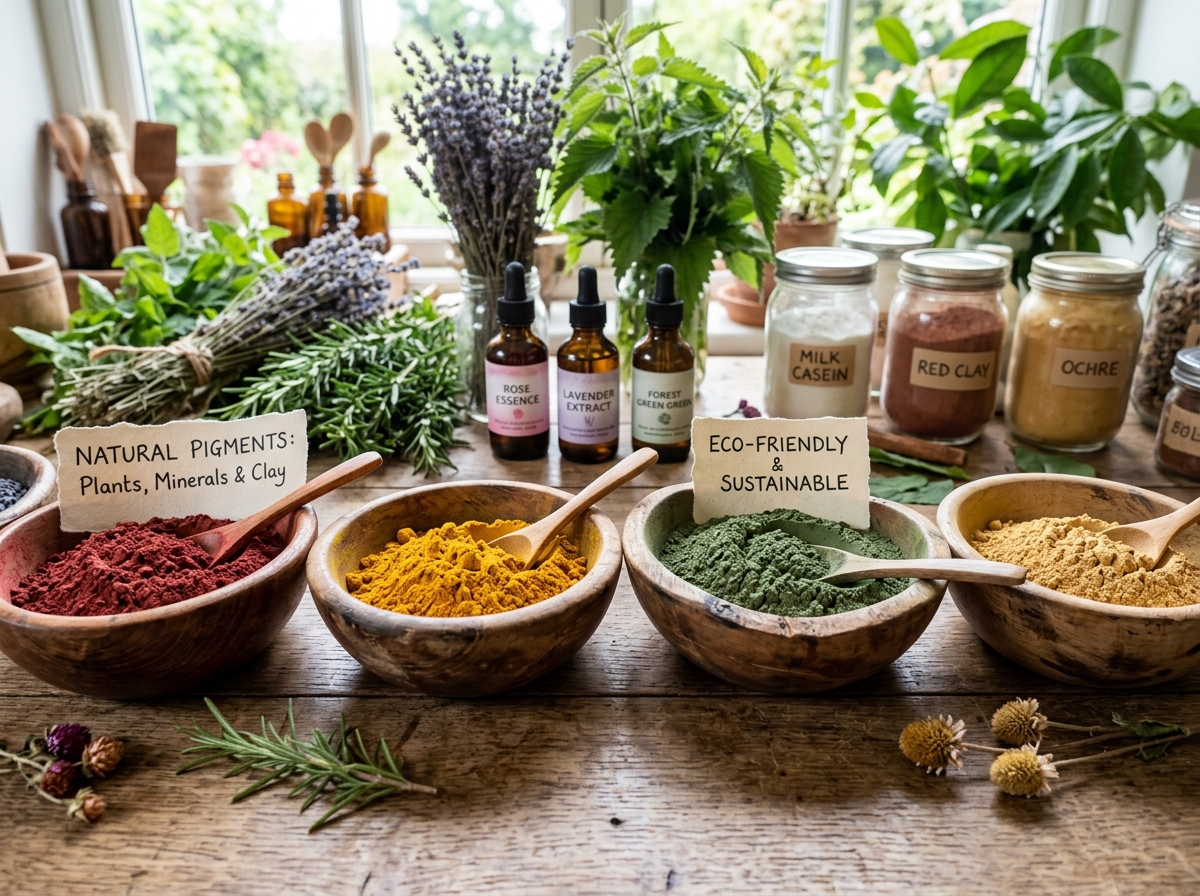
If you want the absolute “cleanest” paint possible, look toward the past. Milk paint has been used for centuries and is made from organic milk protein (casein), lime, and natural earth pigments.
Brands like The Real Milk Paint Co. offer a product that is literally biodegradable. It comes as a powder that you mix with water, meaning there are no liquid preservatives needed. It creates a beautiful, breathable, antique finish that is perfect for furniture—especially pieces made from salvaged pine or reclaimed wood. While it requires a bit more effort to mix, the result is a completely non-toxic, food-safe surface.
Recommended Zero-VOC and APE-Free Options
When browsing for non toxic wall paint, these are the brands we trust for their transparency and performance:
- ECOS Paints: Often cited as the “gold standard” for the chemically sensitive. They provide full ingredient transparency and were originally developed for people with Multiple Chemical Sensitivity (MCS).
- Benjamin Moore Eco Spec: A great professional choice. It is certified Asthma & Allergy Friendly and maintains zero VOCs even after you add the colorant (tint).
- Behr Premium Plus ECOMIX: A budget-friendly, accessible option available at Home Depot. It contains at least 20% plant-based ingredients and carries the USDA Certified Biobased label.
- KILZ TRIBUTE: A high-performance paint-and-primer-in-one that is GREENGUARD Gold certified and low-VOC (under 50 g/L).
- Healthier Homes: A boutique brand focused specifically on the health of the home environment, offering zero-VOC natural paints and primers.
Essential Certifications and Natural Ingredients
Don’t just take a brand’s word for it. Look for third-party “seals of approval” that prove the paint lives up to its eco-claims. For a deeper dive into creating a healthy living space, see our Creating an Eco-Friendly Home: A Comprehensive Guide.
Key certifications to look for include:
- GREENGUARD Gold: This is the strictest standard for chemical emissions. If a paint has this, it’s safe enough for use in schools and healthcare facilities.
- Green Seal: This indicates the product meets rigorous environmental leadership standards, covering everything from production to packaging.
- USDA Certified Biobased: This confirms the paint contains a significant amount of renewable biological ingredients (like plants) rather than just petroleum.
- MPI Extreme Green: A performance-based certification that ensures the paint is both eco-friendly and durable.
Harmful Chemicals to Avoid
Even if a label says “Zero VOC,” you should scan the ingredient list (if provided) for these hidden nasties:
- APEs (Alkylphenol ethoxylates): These are suspected endocrine disruptors that can interfere with hormones.
- Formaldehyde: Often used as a preservative, this is a known carcinogen.
- Triclosan: An antimicrobial agent that can contribute to antibiotic resistance.
- Heavy Metals: Lead is the famous one, but modern paints can still contain cadmium or chromium in certain pigments.
Fortunately, retailers like Home Depot have taken a stand, eliminating many of these—including formaldehyde, lead, and APEOs—from their interior latex wall paints.
The Impact of Colorants on VOC Levels
This is a “gotcha” moment for many DIYers. You might buy a “Zero-VOC” base paint, but as soon as the store adds the color tint, the VOC levels skyrocket. This is especially true for dark, vibrant pigments like deep blues or reds.
When shopping, always ask if the colorants are also zero-VOC. Brands like Benjamin Moore Eco Spec and ECOS Paint use specialized tinting systems that keep the final product at zero VOCs regardless of the color you choose. In contrast, some brands like Glidden may see an increase in VOCs depending on the intensity of the shade.
Best Practices for a Healthy Painting Project
Even with the best non toxic wall paint, how you paint matters. Proper technique ensures the paint lasts and your air stays fresh. For more design inspiration, explore our Green Home Interior: Innovative Design Ideas.
Safety Tips for Sensitive Individuals
If you are pregnant, have young children, or suffer from chemical sensitivities, we recommend a “safety first” approach:
- Ventilate Excessively: Keep windows and doors open. Use box fans to pull air out of the room.
- The Two-Week Rule: Even zero-VOC paints can emit trace amounts of moisture and odors while curing. Wait at least two weeks before moving a sensitive individual (or a baby) into a newly painted room.
- Avoid Antimicrobials: Some paints add “microban” or other pesticides to prevent mildew. Unless you have a severe mold issue, these are often unnecessary chemicals to have in your living space.
- Sample First: Order a small sample to test for personal odor tolerance and adhesion before committing to ten gallons.
Application and Cleanup
For the best results with eco-friendly latex paints, use a high-quality nylon/polyester brush or a 3/8-inch to 1/2-inch nap roller.
- Surface Prep: This is 90% of the job. For new masonry or plaster, you must let it cure for at least 30 days before painting.
- Temperature: Aim for a range between 50–90°F. Painting in extreme heat or cold can mess with the curing process of bio-based ingredients.
- Cleanup: Most non-toxic paints are water-based, meaning you only need mild soap and warm water to clean your tools.
- Disposal: Never pour leftover paint down the drain. Let it dry out or contact your local refuse collection for proper hazardous waste disposal instructions.
Frequently Asked Questions about Eco-Friendly Paint
Are non-toxic paints as durable as conventional ones?
Yes! Modern formulations like Behr Premium Plus ECOMIX are designed to be “scrubbable” and stain-resistant. While some very flat natural paints might be more delicate, most zero-VOC eggshell and semi-gloss enamels hold up perfectly in high-traffic areas like hallways and kitchens.
What is the difference between zero-VOC and low-VOC?
In the US, “Low-VOC” generally means the paint has less than 50 grams per liter (g/L) of VOCs. “Zero-VOC” means it has less than 5 g/L. While 50 g/L is a huge improvement over old-school paints, zero-VOC is always the preferred choice for bedrooms and nurseries.
Can I use milk paint on interior walls?
You can, but it’s a bit different from standard paint. It has a matte, slightly streaky, “old world” look. It’s also very porous, so if you use it in a kitchen or bathroom, you’ll likely need to seal it with a natural oil or wax to prevent water stains.
Conclusion
At Refugio do Jardim, we believe your home should be a sanctuary—a place where you can breathe easy. Choosing a non toxic wall paint is one of the most effective ways to protect your family from indoor air pollution while supporting sustainable manufacturing.
Whether you opt for the high-tech plant-based science of Behr ECOMIX, the ultra-pure transparency of ECOS, or the rustic charm of Milk Paint, you are making a choice that benefits both your health and the planet.
For more tips on building a healthier, greener life, browse our full Eco-Friendly Home category. Happy painting!
