
Eco Friendly Paint Options That Won’t Leave You Fuming
Why Your Paint Choice Has a Bigger Impact Than You Think
Eco friendly paint options are wall and ceiling paints formulated without harmful chemicals — specifically with low or zero Volatile Organic Compounds (VOCs), no heavy metals, and no toxic solvents.
Here’s a quick overview of the main types:
| Paint Type | Key Feature | Best For |
|---|---|---|
| Zero-VOC water-based acrylic | No harmful off-gassing | Walls, ceilings, most interiors |
| Plant-based paint | Renewable ingredients | General interior use |
| Milk paint | Fully biodegradable, natural | Furniture, vintage finishes |
| Natural mineral paint | Clay and mineral pigments | Textured, old-world look |
| Low-VOC latex | Reduced (not zero) chemicals | Budget-friendly projects |
Most of us don’t think twice about the paint on our walls. But here’s the thing — we spend nearly 80% of our time indoors, and the air inside our homes isn’t always as clean as it looks.
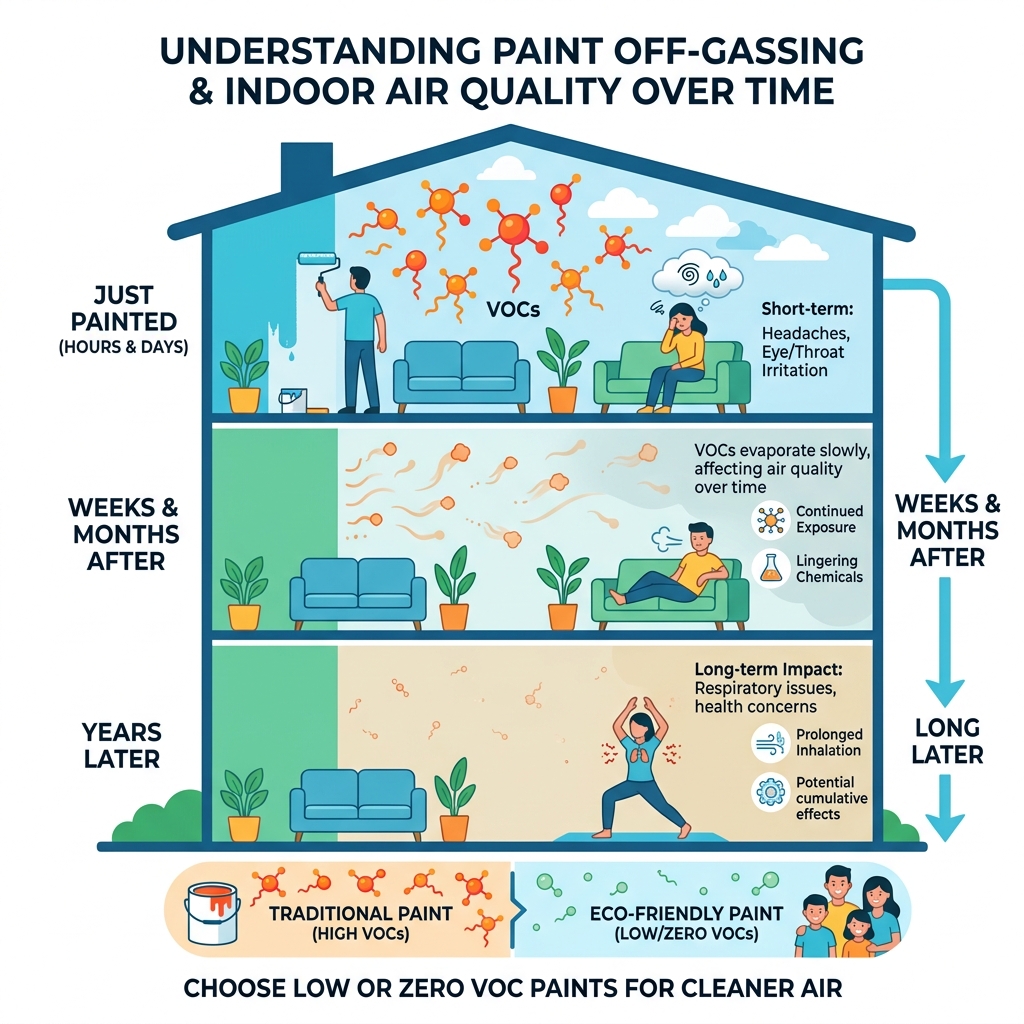
Paint is one of the leading sources of indoor VOCs. These chemicals evaporate into the air as paint dries — and keep releasing long after the job is done. Studies show VOC levels indoors can run two to five times higher than outdoors. Strip old paint during a renovation, and that number can spike up to 1,000 times higher.
The symptoms aren’t dramatic at first. Headaches. A scratchy throat. Feeling a bit off. But long-term exposure to these compounds has been linked to more serious respiratory and health issues.
The good news? Switching to a non-toxic paint is one of the simplest green swaps you can make at home — no lifestyle overhaul required.
Understanding Your Eco Friendly Paint Options
When we talk about eco friendly paint options, the conversation usually starts and ends with “VOCs.” But what exactly are they? Volatile Organic Compounds are carbon-based chemicals that “off-gas” or evaporate at room temperature. In traditional paints, these compounds are used as solvents to keep the paint liquid and help it dry quickly.
However, the “new paint smell” we’ve all grown accustomed to is actually the scent of chemicals like formaldehyde, benzene, and toluene entering our lungs. Beyond VOCs, traditional paints may contain heavy metals (like cadmium or cobalt), petroleum solvents, and ammonia.
It is important to understand the distinction between “Low VOC” and “Zero VOC.” While these terms sound similar, they represent different levels of chemical concentration:
| Standard | VOC Content (Grams per Liter) | What it Means for You |
|---|---|---|
| Traditional Paint | 250 – 380 g/L | High off-gassing; strong odor; significant health impact. |
| Low VOC | < 50 g/L | Reduced emissions; still contains some petroleum-based solvents. |
| Zero VOC | < 5 g/L | Minimal to no off-gassing; safe for sensitive individuals and nurseries. |
One crucial detail often overlooked by consumers is the tinting process. Some paints are “Zero VOC” in the can, but once you add the colorant at the hardware store, the VOC levels spike. High-quality eco friendly paint options like Aura Waterborne Interior Paint use proprietary waterborne colorants to ensure the paint remains low-emission even after you’ve picked that perfect shade of lime or navy.
The Science of Non-Toxic Ingredients and Certifications
If we aren’t using petroleum and harsh solvents, what exactly is holding the paint together? Modern green chemistry has allowed manufacturers to look back at nature for answers.
Natural Ingredients
- Plant-Based Resins: Instead of plastic-based binders, some brands use soy, corn, or even linseed oil. Products like PREMIUM PLUS ECOMIX Plant-Based Interior Paint contain a minimum of 20% plant-based ingredients, verified by third-party testing.
- Mineral Pigments: Rather than synthetic dyes, these paints use earth-mined minerals like ochre, sienna, and iron oxides. These provide a depth of color that mimics the natural world.
- Milk Protein (Casein): Milk paint is one of the oldest eco friendly paint options known to man. It’s made from milk protein, lime, and pigments. It is 100% biodegradable and comes as a powder you mix with water, meaning no preservatives are needed.
Deciphering the Labels
Walking down the paint aisle can feel like a test in alphabet soup. To ensure you are truly getting a non-toxic product, look for these gold-standard certifications:
- GREENGUARD Gold: This is the “creme de la creme” of indoor air quality certifications. It ensures the product has been tested for over 10,000 chemicals and meets strict emission levels for sensitive environments like schools and healthcare facilities.
- Green Seal: This certification looks at the entire lifecycle of the paint, from how it was manufactured to how it performs and is disposed of.
- Asthma & Allergy Friendly: This indicates the paint has been clinically proven to have a low enough chemical profile that it won’t trigger respiratory distress in sensitive individuals.
Choosing certified products is a key part of Sustainable Home Renovation Tips and Tricks because it removes the guesswork from your shopping list.
Comparing Performance of Eco Friendly Paint Options
A common myth is that “green” paint is “weak” paint. In the past, eco-friendly versions might have been thin or prone to chipping, but today’s technology has flipped the script.
Coverage Rates Traditional paints usually cover about 350 to 400 square feet per gallon. However, some premium eco friendly paint options are much more concentrated. For instance, brands like ECOS Paints can cover up to 560 square feet per gallon. That is 1.5 times the coverage of conventional products, meaning you buy fewer cans and do less work.
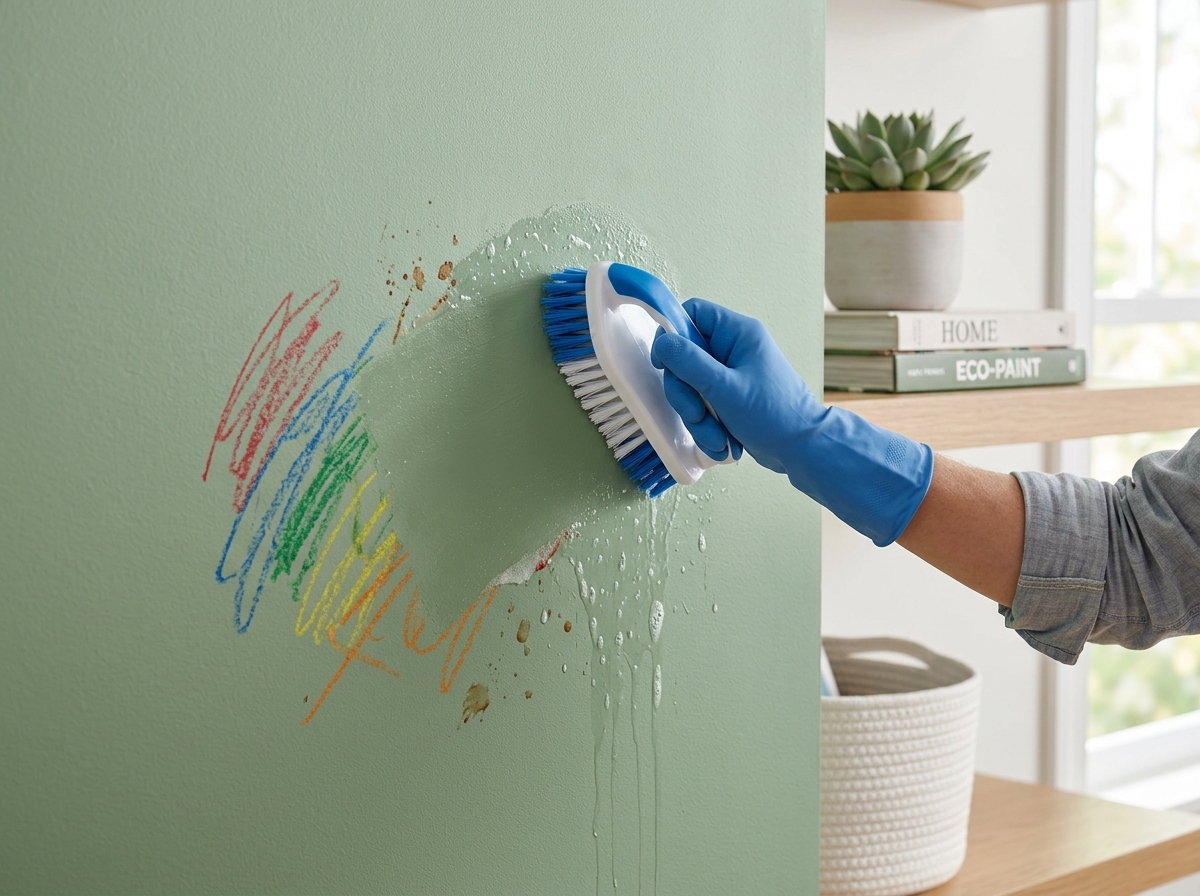
Scrubbability and Durability Many zero-VOC paints are now “highly scrubbable.” This means you can wipe away a toddler’s crayon masterpiece without taking the paint off the wall. This is achieved through advanced acrylic resins that create a tight, durable bond.
Color Retention Advanced technologies like Benjamin Moore’s Gennex® ensure that colors stay vibrant and don’t fade over time. Because these systems use waterborne colorants, the paint doesn’t become “sticky” or soft after tinting, which is a common issue with traditional low-VOC paints.
Practical Steps for a Healthier Home Renovation
Painting is often the “final touch” of a renovation, but it should be planned with the same care as your structural changes. If you are following a guide on Sustainable Living: Top Picks for Eco-Friendly Furniture, it makes little sense to place a non-toxic sofa against a wall that is leaking formaldehyde.
Surface Preparation
Before you crack open a can, you must prepare the surface. If you are painting over old, conventional paint, keep in mind that the old layers may still be off-gassing. Specialized odor-blocking sealers can be applied to “trap” those old chemicals behind the new, clean layer of paint.
Blocking Off-Gassing
Some innovative eco friendly paint options are designed specifically to block chemical emissions from building materials behind the walls, such as formaldehyde found in some types of plywood or insulation. Using a high-quality primer is essential here.
How to Test Your Eco Friendly Paint Options
Before committing to 10 gallons of “Seafoam Mist,” we always recommend a testing phase.
- Adhesion Testing: Apply a small sample to your wall and let it cure for 24 hours. Try to scratch it with a fingernail. If it peels easily, you may need a different primer.
- Natural Light Evaluation: Eco-friendly pigments, especially mineral-based ones, react beautifully to natural light. View your Non Toxic Paints & Coatings samples at different times of the day—morning, noon, and evening—to see how the undertones change.
- Odor Tolerance: While many zero-VOC paints are odorless, some plant-based or milk paints have a slight “earthy” or “milky” scent during application. It’s best to ensure this doesn’t bother you before doing an entire room.
- Sample Pots: Most eco-friendly brands offer small sample sizes. This is a small investment that prevents the waste of a full gallon of unused paint.
Frequently Asked Questions about Non-Toxic Paint
Is zero-VOC paint truly odorless?
Most zero-VOC paints are virtually odorless, especially water-based acrylics. However, “zero VOC” refers to the chemical content, not the scent. Some natural ingredients like linseed oil or milk protein have their own natural aromas. The good news is that these scents are generally harmless and dissipate much faster than chemical fumes—often within an hour.
Can eco-friendly paint be used in high-moisture areas like bathrooms?
Yes! Many eco friendly paint options are formulated with antimicrobial properties to resist mold and mildew. Look for a semi-gloss or satin finish for bathrooms, as these sheens provide a tighter moisture barrier than flat or matte finishes.
How does the cost of natural paint compare to traditional options?
Initially, you might see a slightly higher price tag per gallon—ranging from $50 to $100 for premium brands. However, when you factor in the higher coverage rates (up to 560 sq. ft. per gallon) and the health benefits of not breathing in toxins, the “real” cost is often lower than traditional paint.
Conclusion
At Refugio do Jardim, we believe that a beautiful home should also be a healthy one. Choosing eco friendly paint options is more than just a design choice; it’s a commitment to your family’s well-being and the planet’s future. By opting for zero-VOC, plant-based, or mineral paints, you are transforming your living space into a true green home sanctuary.
Whether you are embarking on a full Sustainable Home Renovation or just refreshing a single room, every brushstroke matters. For more tips on creating an environmentally conscious home, visit our comprehensive guides at Refugio do Jardim.
