
How to Stop Making Trash and Start Making a Difference
America Makes Too Much Trash — Here’s How to Make Less of It
The best tips for zero waste living don’t require a lifestyle overhaul. Start here:
- Refuse what you don’t need (say no to freebies, straws, excess packaging)
- Reduce what you buy and consume overall
- Reuse containers, bags, bottles, and clothing
- Recycle only what you truly can’t refuse, reduce, or reuse
- Rot food scraps through composting instead of sending them to landfill
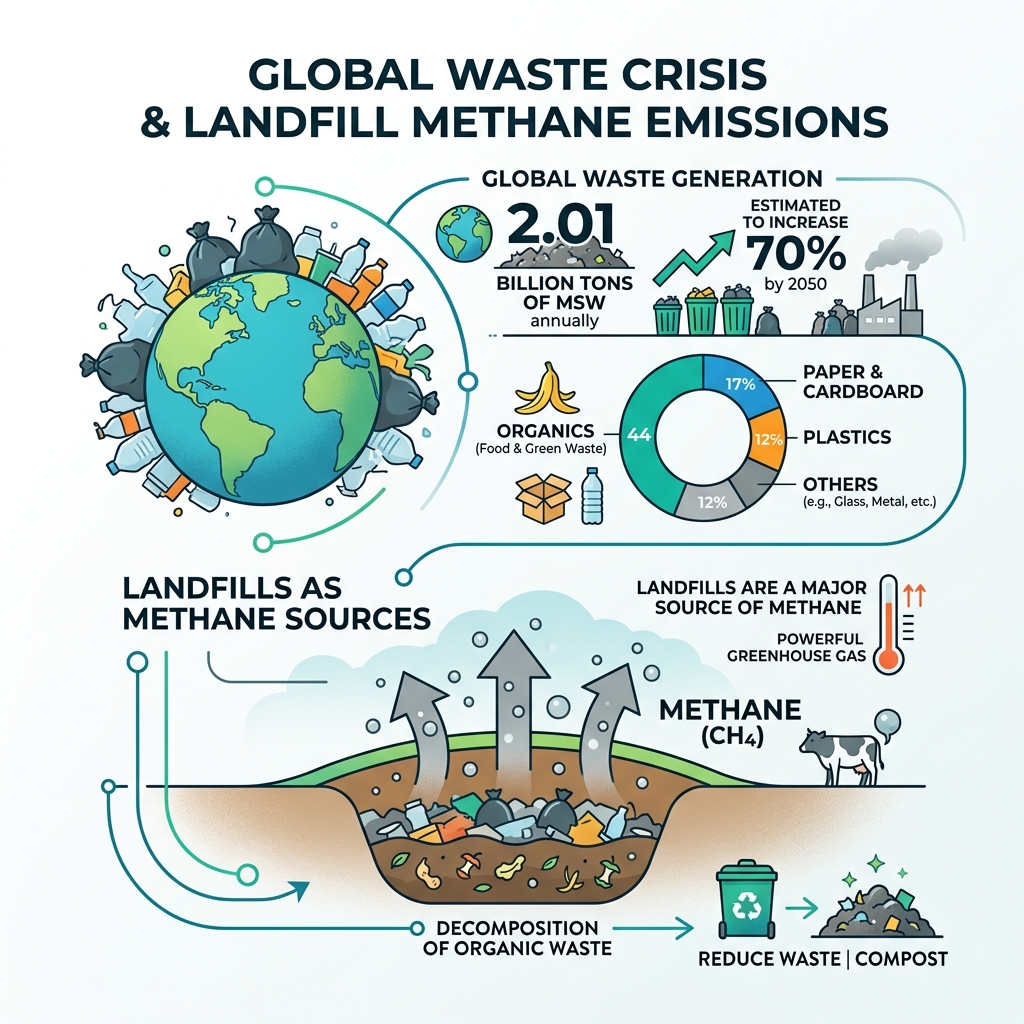
Americans generate around 4.5 pounds of trash per person, every single day. That adds up to roughly 292.4 million tons of municipal solid waste per year — and the US, with just 4% of the world’s population, is responsible for about 12% of all global waste.
That’s a lot of trash.
And here’s the part that stings: a huge portion of it didn’t have to exist. Around 30% of US garbage comes from containers and packaging alone. Another 30% is food scraps and yard waste that could have been composted instead of buried in a landfill.
The problem isn’t that going zero waste is hard. The problem is that most people don’t know where to start.
If you’ve ever felt paralyzed by the size of the waste crisis — scrolling past another ocean plastic headline and then tossing a plastic coffee cup anyway — you’re not alone. The gap between caring and acting is real.
But small, consistent changes compound. Fast. And you don’t need a mason jar full of five years’ worth of trash to prove you’re doing it right.
This guide breaks down exactly what to do, room by room, habit by habit.
The Core Principles: Understanding the 5 R’s and Circular Economy
To truly embrace tips for zero waste, we need to look past the trash can and toward the system that fills it. Most of us grew up in a “linear economy.” This is the “take-make-waste” model: we extract resources from the earth, turn them into products, and then bury them in a hole in the ground when we’re done.
The zero-waste movement pushes us toward a circular economy. In this model, waste is designed out of the system. Materials are kept in use for as long as possible, and at the end of their life, they are returned to the earth (compost) or back into the manufacturing cycle (recycling).
To get there, we follow the 5 R’s, popularized by pioneers like Bea Johnson. They are listed in order of importance:
- Refuse: This is the most powerful step. By saying no to single-use plastics, junk mail, and promotional freebies, we stop waste before it even enters our homes.
- Reduce: We take a hard look at what we actually need. Do we need five different cleaners, or will vinegar and water do?
- Reuse: We opt for durable goods over disposables. We mend our clothes and repurpose glass jars.
- Recycle: Often misunderstood as the first step, recycling is actually the fourth. It’s energy-intensive and, globally, only about 9% of plastic actually gets recycled.
- Rot: This is composting. It turns organic “waste” back into nutrient-rich soil.
We also have to consider upstream waste. For every bag of trash you put on the curb, many more bags of waste were created during the manufacturing, mining, and shipping of those products. When we buy a local apple without a sticker, we aren’t just saving a sticker; we’re saving the fuel, plastic wrap, and cardboard used to ship apples from across the globe.
How to Start Your Journey: The Trash Audit and Beginner Tips for Zero Waste
If you’re feeling overwhelmed, take a deep breath. We aren’t aiming for a “trash-free” life overnight. Instead, we suggest a 90-day transition. It takes an average of 66 days to form a new habit, so three months is the perfect “sweet spot” to make sustainability feel effortless.
The very first step is a trash audit. It sounds gross, but it’s eye-opening. For three to seven days, look at what you’re throwing away. Is it mostly food scraps? Plastic packaging from takeout? Paper towels? Once you identify your “waste hotspots,” you know exactly where to start.
Building Your Zero-Waste Kit
You don’t need to go out and buy a bunch of expensive “eco-friendly” gear. Use what you already have! A zero-waste kit for daily outings helps you refuse waste on the go.
- Reusable Water Bottle: One durable bottle replaces roughly 1,460 plastic bottles over five years.
- Cloth Tote Bag: Keep one in your car or by the door. The average plastic bag is used for less than 20 minutes before becoming trash.
- Reusable Utensils: A simple fork and spoon from your kitchen drawer wrapped in a cloth napkin works perfectly.
- Coffee Cup: If you’re a cafe regular, bringing your own mug can save you $500+ a year in some cities and keeps plastic-lined paper cups out of the landfill.
Check out our guide on habits-for-a-zero-waste-lifestyle for more ideas on integrating these into your routine.
Is It Expensive?
A common myth is that zero waste is only for the wealthy. While some items have a higher upfront cost (like a $30 safety razor), they save you massive amounts of money over time.
| Item | Disposable Cost (Annual) | Zero Waste Cost (Upfront) | Long-Term Savings |
|---|---|---|---|
| Water Bottles | ~$200 | $20 (One-time) | $180+ per year |
| Paper Towels | ~$120 | $0 (Old t-shirt rags) | $120 per year |
| Plastic Razors | ~$100 | $30 (Safety razor) | $90+ per year |
| Coffee Out | ~$500+ | $15 (Mug/Home brew) | $485+ per year |
Room-by-Room Guide: High-Impact Swaps for Every Space
Transitioning your entire house at once is a recipe for burnout. We recommend focusing on one room at a time. A great rule to live by is the 30-day rule: if you want to buy something non-essential, wait 30 days. 90% of the time, the urge will pass, saving both your wallet and the planet.
For a deeper dive, read our article on zero-waste-living-transforming-your-home.
Kitchen and Grocery Tips for Zero Waste
The kitchen is usually the biggest source of household waste. Between food scraps and packaging, it’s where we can make the biggest dent.
- Bulk Buying: Grains, spices, and nuts from bulk bins are often 30-50% cheaper than packaged versions. Bring your own glass jars or cloth bags. We have more zero-waste-shopping-tips to help you navigate the aisles.
- Food Waste: Globally, food waste creates 8% of total human-caused greenhouse gas emissions. The average US family wastes over $640 a year throwing away food. Meal planning is your best friend here.
- Composting: 30% of what Americans throw away is yard waste and food scraps. When food rots in a landfill, it produces methane—a greenhouse gas 20 times more potent than CO2. Composting turns that “trash” into black gold for your garden. Check out our composting-guide-for-beginners to get started.
- Smart Storage: Swap plastic wrap for beeswax wraps or silicone lids. Use glass jars for leftovers; they last forever and don’t leach chemicals into your food.
For more kitchen-specific advice, see our waste-free-kitchen-guide and our tips for earth-friendly-habits-for-your-kitchen.

Bathroom and Personal Care Tips for Zero Waste
The beauty industry produced over 120 billion units of packaging in 2018 alone. Most of it isn’t recyclable.
- Shampoo Bars: Liquid shampoo is up to 90% water packaged in plastic. One good shampoo bar can replace up to three plastic bottles.
- Safety Razors: Two billion plastic razors end up in landfills every year. A stainless steel safety razor lasts a lifetime; you only replace the metal blade, which is recyclable.
- Bamboo Toothbrushes: Plastic handles linger in landfills for 500+ years. Bamboo is compostable.
- Period Products: The average woman uses 10,000 to 11,000 tampons in her lifetime. Switching to a menstrual cup or period underwear can keep all that plastic out of the environment.
Learn more about minimizing-plastic-use-at-home to see how these small swaps add up.
Wardrobe and Home Office Waste Reduction
The fashion industry is the second most polluting on the planet. Our clothes are often made of synthetic fibers (plastic) that shed microplastics every time we wash them.
- Natural Fibers: Choose cotton, linen, hemp, or wool. Synthetic fleece jackets can release 1.7 grams of microfibers per wash.
- Laundry Habits: Around 40% of microfibers from washing machines enter our waterways. Use a microfiber-catching bag or filter, and wash your clothes less often in cold water.
- Digital Clutter: Even “invisible” waste has a footprint. An average spam email emits about 0.3g of CO2 due to the energy used by servers. Unsubscribe from newsletters you don’t read and clear out your cloud storage.
- Office Supplies: More than 375 million empty ink and toner cartridges are thrown out each year. Opt for refillable pens and look for paperless billing options whenever possible.
Frequently Asked Questions About Tips for Zero Waste
Is a zero-waste lifestyle realistic for everyone?
The short answer is: “Zero” is an ideal, but “less” is a necessity. Living a 100% zero-waste life is nearly impossible in our current linear economy. We have to deal with systemic limits—like living in a “food desert” without bulk stores or having a disability that requires certain disposable medical supplies.
The goal isn’t perfection; it’s progress. As Anne Marie Bonneau said, “We don’t need a handful of people doing zero waste perfectly. We need millions of people doing it imperfectly.” Every plastic straw refused and every scrap composted makes a difference.
How can I reduce waste if I live in a small apartment?
Space constraints shouldn’t stop you!
- Bokashi Composting: This is a fermentation process that happens in a small, airtight bucket under your sink. It doesn’t smell and can handle meat and dairy, unlike traditional bins.
- Vertical Storage: Use wall shelves for your bulk jars to save counter space.
- Digital First: In a small space, paper clutter feels twice as big. Go paperless for all your documents and use your local library for books instead of buying new ones.
For more apartment-friendly ideas, see our guide on ways-to-reduce-packaging-waste.
What is the most effective way to connect with a zero-waste community?
You don’t have to do this alone. Connecting with others keeps you motivated.
- Buy Nothing Project: Join a local group to give away things you don’t need and ask for things you do—all for free.
- Local Workshops: Look for classes on composting, mending clothes, or making your own soap.
- Advocacy: Use your voice. Write to companies about their packaging or support local legislation that bans single-use plastics. Personal change is great, but systemic change is how we win.
Conclusion
At Refugio do Jardim, we believe that every small action contributes to a larger, much-needed shift in our culture. Adopting tips for zero waste isn’t just about the trash you save today; it’s about voting with your dollar for a cleaner, more ethical world.
By refusing what we don’t need and cherishing what we do, we reclaim our time, our money, and our environment. This journey is a marathon, not a sprint. Start with one swap, master it, and then move to the next.
Are you ready to make a change? Start your journey today and join a community dedicated to making a real difference.
