
Zero Waste Challenge: How to Shrink Your Trash to Nothing
Why a Zero Waste Challenge Can Change More Than Just Your Trash
A zero waste challenge is a structured commitment — lasting anywhere from 10 to 90 days — to dramatically reduce the waste you send to landfill by refusing, reducing, reusing, recycling, and composting.
Here’s a quick overview of how it works:
- Audit your trash – Spend a few days tracking what you throw away
- Pick a challenge length – 10 days (sprint), 30 days (reset), or 90 days (lifestyle shift)
- Make high-impact swaps – Replace single-use items with reusables
- Tackle food waste – Plan meals, store food properly, and compost scraps
- Track your progress – Most people reduce trash output by 60-80% after 90 days
Still here? Good. Because this is where it gets real.
The average American generates more than 292 million tons of municipal solid waste every year. Food and food packaging alone make up about 45% of what goes to landfill. And if food waste were its own country, it would be the third-largest greenhouse gas emitter on the planet — right behind the US and China.
That’s a lot to sit with.
But here’s the thing: you don’t need to overhaul your entire life this weekend. A zero waste challenge breaks that overwhelming problem into one small action per day. It’s designed for people who care but feel paralyzed by where to start.
One writer described standing in their kitchen, staring at an overflowing trash can, feeling completely stuck. Three years later, their household went from multiple bags of trash per week to barely one small bag per month.
That kind of change doesn’t require perfection. It just requires a starting point.
Getting Started: The Trash Audit and Your Ecological Footprint
Before we start buying bamboo toothbrushes and glass jars, we need to look at the “why” and the “what.” We often think we know what we throw away, but until we see it all in one place, we are just guessing. How can we focus on solutions when we don’t even know the problems?
The first step in any successful zero waste challenge is a trash audit. This isn’t about shaming ourselves; it’s a scientific study of our own habits. By looking at our waste patterns, we can identify which areas of our lives are the “trash hotspots.”
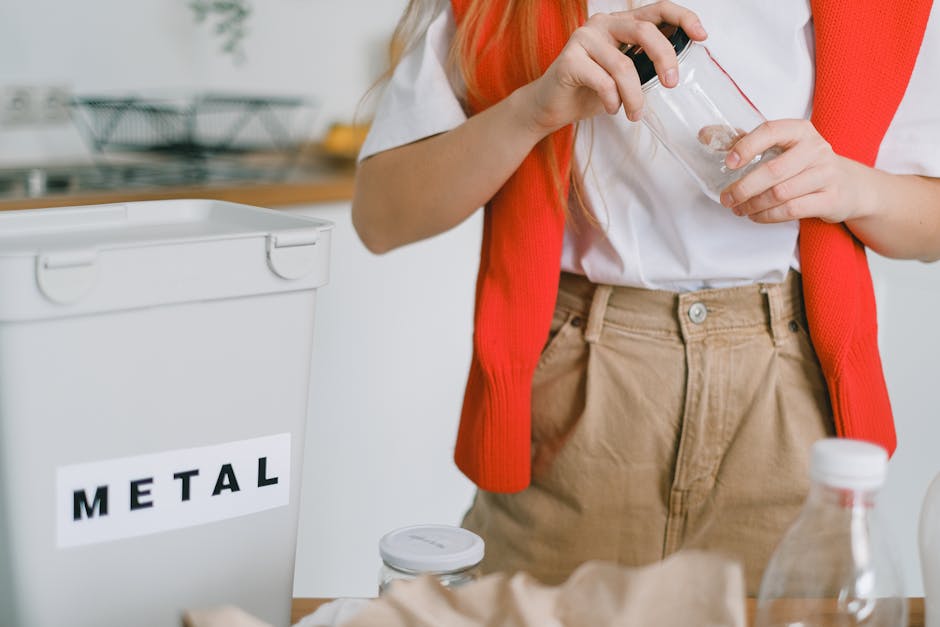
When we conduct an audit, we are essentially looking at how we live within planetary boundaries. We are examining our resource usage and asking: “Is this sustainable?” To help you get started, we recommend checking out these Waste Reduction Tips to see how others have transitioned from “tossing” to “thinking.”
Common household waste categories usually include:
- Food scraps (organic waste)
- Soft plastics (snack wrappers, bags)
- Paper and cardboard (junk mail, packaging)
- Personal care items (bottles, tubes, wipes)
- Kitchen disposables (paper towels, sponges)
Calculating Your Impact
Beyond the physical trash bin, there is the “invisible” waste: our ecological footprint. This is a holistic look at our resource usage. It calculates how many Earths would be required if everyone on the planet lived exactly like us.
When we participate in a zero waste challenge, we aren’t just shrinking a bag of garbage; we are reducing our carbon emissions and overall resource consumption. Every plastic bottle we refuse represents oil that didn’t need to be drilled and energy that didn’t need to be spent on manufacturing and shipping. Setting clear, measurable zero waste goals—like “I want to reduce my landfill bin by 50%”—gives us a target to aim for.
Setting a Baseline
To set a baseline, we suggest the “Clear Bag Method.” Instead of hiding your trash in a black bag, collect everything you don’t recycle or compost in a clear bag or a large jar for a few days. Some brave souls even carry this bag with them for a week!
Why? Because when trash is physically connected to us, our decision-making changes. It’s easy to throw something “away” when “away” is an anonymous bin. It’s much harder when you have to carry that piece of plastic around all day. This creates immediate habit awareness. You’ll find yourself asking, “Do I really need this receipt?” or “Can I find this without the plastic wrap?”
Choosing Your Zero Waste Challenge: 10, 30, or 90 Days?
How long should you commit? Research shows that it takes anywhere from 18 to 254 days to form a new habit, with the average being 66 days. Depending on your energy levels and current lifestyle, you might choose a different “flavor” of the challenge:
- The 10-Day Sprint: Perfect for a quick reset. You focus on the “big wins” like refusing straws, bringing your own water bottle, and saying no to plastic bags.
- The 30-Day Reset: This is the most popular duration. It allows you to tackle one room or one habit each week. You can spend Week 1 on the kitchen, Week 2 on the bathroom, and so on. It’s long enough to see real results but short enough to keep the excitement high.
- The 90-Day Lifestyle Shift: This is where the magic happens. By the end of 90 days, most participants see a 60-80% reduction in their trash output. These practices become automatic habits. You no longer have to “remember” your bags; you just have them.
Essential Tools for Your 30-Day Zero Waste Challenge
While we always say “use what you have first,” having a small “zero waste kit” can help you avoid trash when you’re out and about. We’ve found that being prepared is 90% of the battle.
Essential items for your kit might include:
- A reusable water bottle (stainless steel or glass)
- A set of canvas or mesh bags for groceries and produce
- A few glass jars for leftovers or bulk shopping
- A cloth napkin (can also be used to wrap a sandwich!)
- Reusable cutlery or a bamboo set
For more ideas on high-quality, long-lasting gear, explore our curated list of Sustainable Products. The goal isn’t to buy more “stuff” to save the planet, but to invest in tools that prevent future waste.
Tracking Success in Your Zero Waste Challenge
To avoid burnout, we must celebrate the small wins. Don’t worry about being “perfect.” As the saying goes, we don’t need a handful of people doing zero waste perfectly; we need millions of people doing it imperfectly.
Track your progress by:
- Measuring the weight or volume of your trash each week.
- Counting how many “single-use” items you successfully refused.
- Noting the money you saved (some people save over $12,000 over several years by simply buying less!).
- Using a journal or a simple app to record your reflections.
High-Impact Swaps for Kitchen, Bathroom, and Beyond
When we move into the “action” phase of our zero waste challenge, we want to focus on high-impact swaps. These are the items we use every day that generate the most waste.
In the bathroom, for example, Americans discard over a billion toothbrushes every year. Switching to bamboo is a massive collective win. In the kitchen, plastic wrap and paper towels are major culprits.
| Disposable Item | Sustainable Alternative | Long-term Benefit |
|---|---|---|
| Plastic Water Bottles | Stainless Steel Bottle | Saves ~$200+/year |
| Paper Towels | Washable Cloth Rags | Reduces deforestation |
| Plastic Toothbrush | Bamboo Toothbrush | Biodegradable handle |
| Bottled Shampoo | Shampoo Bar | Zero plastic packaging |
| Plastic Grocery Bags | Canvas Totes | Prevents ocean pollution |
You can find many of these items in our Sustainable Products section.
Zero Waste Personal Care and Cleaning
Our cleaning cabinets are often full of plastic bottles and harsh chemicals. But did you know you can clean almost your entire house with just vinegar, baking soda, and maybe some lemon peels?
- All-Purpose Cleaner: Mix equal parts water and white vinegar. Add citrus peels for a fresh scent.
- Scrubbing Paste: Mix baking soda with a little water to clean sinks and tubs.
- Shampoo Bars: These replace bulky plastic bottles and often last much longer.
- Safety Razors: One stainless steel razor can last a lifetime; you only replace the metal blades, which are recyclable.
By adopting these Green Lifestyle Habits, you’ll likely find that your home feels lighter and your air quality improves.
Beginner-Friendly Composting Options
Composting is the “secret weapon” of the zero waste challenge. Since food waste is such a massive contributor to methane (a gas 34 times more potent than CO2), keeping organics out of the landfill is the single most impactful thing you can do.
If the idea of a rotting pile of food feels intimidating, don’t worry! There are options for every living situation:
- Backyard Bins: Best for those with outdoor space.
- Worm Farms (Vermicomposting): Great for kids and can even be kept under a kitchen sink.
- Bokashi: A Japanese method that “ferments” waste (including meat and dairy!) in a small bucket.
- Countertop Systems: Many cities now offer municipal organic pickup.
- Community Programs: Use apps like ShareWaste to find neighbors who want your scraps for their gardens.
Mastering Zero Waste Meal Planning and Food Waste
Close to a third of all food is wasted between the farm and the plate. In the US, 30-40% of the food supply goes to waste. This isn’t just a waste of food; it’s a waste of the water, energy, and labor that went into growing it.
The kitchen is where most people see their trash reduced by 50-70% during a challenge. It all starts with a plan.
Strategies for Reducing Food Waste
We love the “Inventory First” rule. Before you go to the store, look at what you already have. It’s easy to look at a full fridge and think there’s “nothing to eat,” but with a little creativity, you can make a “use-it-up” meal.
Other strategies include:
- Embrace “Ugly” Produce: Reject unrealistic ideals of vegetable beauty! Misshapen carrots taste exactly the same.
- Proper Storage: Store leafy greens in a damp cloth and keep potatoes away from onions to prevent sprouting.
- Designate a “Leftovers Day”: Make it a weekly tradition to clear out the fridge.
- The Sun Trick: If you have glass jars with lids that smell like pickles, put them in direct sunlight for a few hours. The UV rays are incredible at neutralizing odors!
For more kitchen-specific advice, dive into our Green Lifestyle Habits guide.
Bulk Shopping and Minimal Packaging
Bulk shopping allows you to buy exactly what you need without the plastic wrap.
- Bring Your Own Containers: Use glass jars or cloth bags.
- Tare Weights: Make sure to weigh your empty jar first so you don’t pay for the weight of the glass!
- Pantry Essentials: Focus on staples like rice, beans, pasta, nuts, and spices.
If your local store doesn’t have a bulk section, try to buy the largest size available in recyclable packaging (like a large paper bag of rice) rather than many small plastic bags.
Beyond the Bin: Community Advocacy and Systemic Change
We often hear, “What’s the point of me making a mason jar of trash if a giant corporation produces tons of it every minute?” It’s a valid question. But individual action is the fuel for systemic change.
When we participate in a zero waste challenge, we are “voting with our dollars.” We are showing companies what we value. But we can go further:
- Corporate Feedback: Write a polite letter to a company you love, asking them to consider plastic-free packaging.
- Local Government: Join a city council meeting or advocate for better composting infrastructure in your neighborhood.
- Community Building: Start a local zero waste group or hold a workshop. We literally and figuratively can’t do this alone.
Adapting Zero Waste for Every Lifestyle
Zero waste looks different for everyone.
- Apartments: Focus on vertical storage and indoor composting like Bokashi.
- Families: Get the kids involved! Make it a game to see who can find the least-packaged snack at the store.
- Businesses: Offices can ditch single-use coffee pods and move to digital-only filing.
- Schools: Students can lead “Zero Waste Lunch” days to educate their peers.
Resources, Apps, and Continued Learning
You don’t have to be an expert overnight. There are incredible tools to help you on your journey:
- Apps: OLIO (for sharing excess food) and ShareWaste (for finding compost hosts).
- Books: Look for titles like “Zero Waste Home” or “More Than a Plastic Bag” at your local library.
- Documentaries: Watch “Wasted! The Story of Food Waste” to get fired up about the cause.
Frequently Asked Questions about Zero Waste Challenges
How much money can I save by going zero waste?
While some sustainable products have a higher upfront cost (like a $20 safety razor), they save you hundreds in the long run. Many participants report saving thousands of dollars by simply avoiding “convenience” items, planning meals, and buying secondhand. One blogger noted saving $12,000 over several years!
Is it possible to go zero waste in a small apartment?
Absolutely! Apartment dwellers can focus on “refusing” items before they enter the home. You can use countertop composters or worm bins, and focus on DIY cleaners that take up very little space.
What do I do with waste that is truly unavoidable?
There will always be some waste—medical supplies, broken electronics, or certain types of packaging. The goal is “Zero Waste,” but the reality is “Low Waste.” For truly unavoidable items, look for specialty recycling programs (like TerraCycle) or ensure you are recycling according to your local guidelines.
Conclusion
The journey to zero waste is a marathon, not a sprint. Whether you choose a 10-day reset or a 90-day lifestyle shift, every piece of plastic you refuse is a victory for the planet. We are here to support you in moving from overwhelmed to empowered.
By focusing on progress over perfection, we can all contribute to a healthier, cleaner world. Ready to take the first step? Start your journey with our Waste Reduction Tips and see how easy it can be to shrink your footprint. Together, we can turn the tide on waste, one choice at a time.
