
Bamboo Fiber Kitchen Towels Are the Sustainable Swap You Need
The Simple Kitchen Swap That Actually Makes a Difference
Bamboo fiber kitchen towels are reusable, highly absorbent sheets made from bamboo pulp that replace disposable paper towels in everyday kitchen tasks.
Quick answer — here’s what you need to know:
| Feature | Bamboo Fiber Kitchen Towels |
|---|---|
| Reusability | 100–120+ uses per sheet |
| Absorbency | 2.5x more than regular paper towels |
| Replaces | Up to 60 disposable paper towel rolls |
| Material | Bamboo pulp/fiber (often 100% natural) |
| End of life | Compostable and biodegradable |
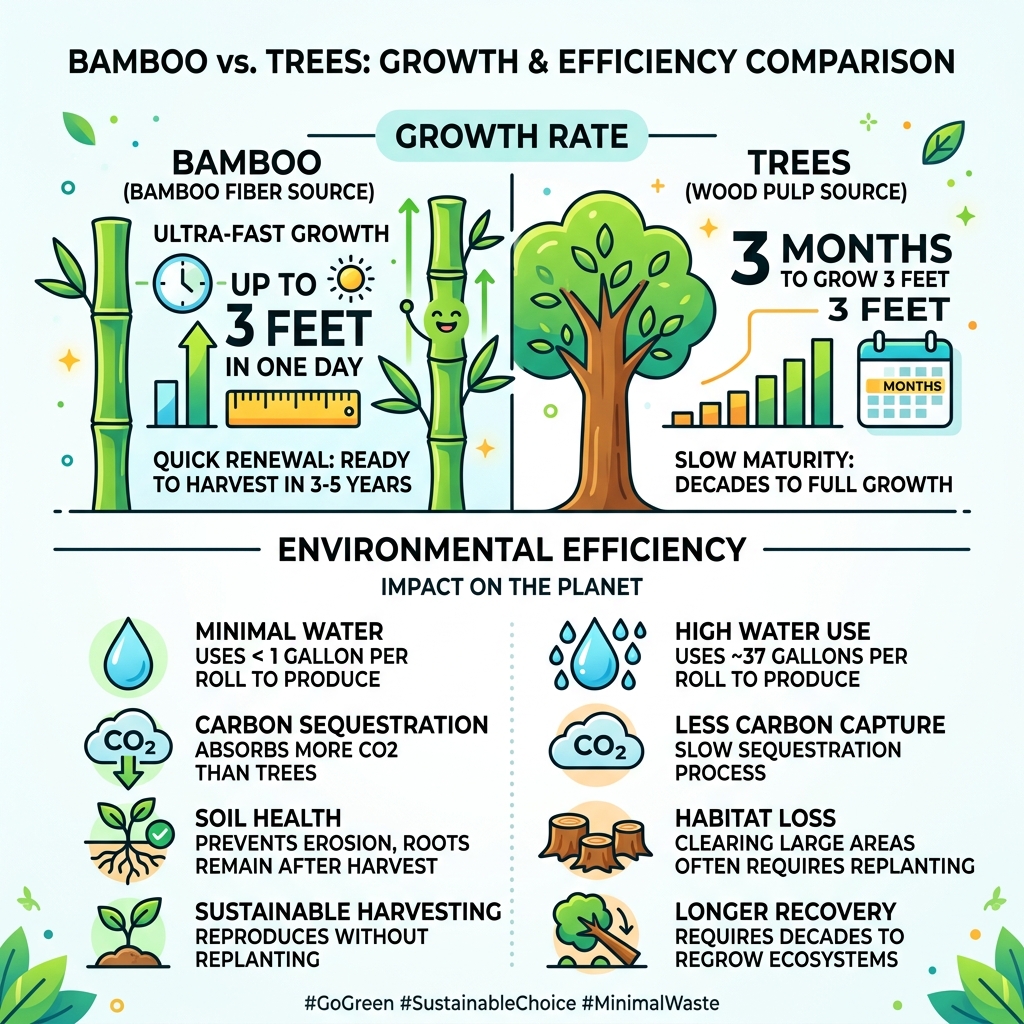
| Water to produce | Less than 1 gallon per roll vs. 37 gallons for wood-based rolls |
Every day, paper towel waste adds up to roughly 3,000 tons of trash. And most of it comes from kitchens just like yours.
The good news? You don’t need to overhaul your entire lifestyle to make a real dent in that number. Swapping your paper towels for bamboo fiber alternatives is one of the smallest changes you can make — with one of the biggest payoffs.
Bamboo grows up to 3 feet in a single day. Trees take about 3 months to grow the same amount. That gap tells you almost everything about why this swap matters.
This guide breaks down the best bamboo kitchen towel options available, so you can pick the right one and move on with your day.
Why Bamboo Fiber Kitchen Towels Outperform Traditional Paper
When we look at our kitchen cleaning habits, most of us reach for a paper towel without thinking. It’s convenient, but it’s also incredibly wasteful. Bamboo fiber kitchen towels offer that same convenience but with a massive upgrade in performance and planet-friendliness.
Unlike traditional paper towels, which are designed to be used once and thrown away, bamboo towels are built with incredible tensile strength. They don’t turn into a soggy mess the moment they touch water. In fact, many users find that a single sheet can handle heavy-duty scrubbing that would shred three or four regular paper sheets.
By choosing bamboo, we are opting for a “tree-free” alternative. Traditional paper production is a leading cause of deforestation; the paper industry clear-cuts approximately one million acres of North American boreal forest every year. Bamboo, being a grass, can be harvested without killing the plant, allowing it to regrow rapidly. Integrating these into your earth-friendly-habits-for-your-kitchen/ is one of the most effective ways to reduce your household’s biological footprint.

| Feature | Bamboo Fiber | Traditional Paper | Cotton Cloth |
|---|---|---|---|
| Reusability | 100+ times | Zero (Single use) | High |
| Absorbency | Ultra-High (2.5x – 5x) | Low to Medium | Medium |
| Sustainability | Very High (Fast growth) | Low (Deforestation) | Medium (High water use) |
| Durability | High (Tear-resistant) | Very Low | High |
| Antibacterial | Naturally resistant | No | No (Can get “musty”) |
Superior Absorbency of Bamboo Fiber Kitchen Towels
One of the first things you’ll notice when switching to bamboo fiber kitchen towels is how much liquid they can actually hold. Research shows these towels are roughly 2.5x to 5x more absorbent than regular tissues or paper towels.
This is due to the unique structure of bamboo rayon and pulp fibers, which feature micro-holes that trap liquid instantly. Whether you’ve knocked over a full glass of milk or need to wipe down a soaking wet countertop, these towels excel at liquid retention. They don’t just move the mess around; they lift it. Furthermore, they feature quick-dry technology, meaning they don’t stay damp for hours after a light rinse, making them ready for the next task almost immediately.
Natural Antibacterial and Odor-Resistant Properties
Have you ever noticed how a regular cotton dishcloth starts to smell “funky” after just a day of use? That’s bacteria at work. Bamboo contains a unique natural bio-agent called “bamboo kun,” which makes the fiber naturally antibacterial and anti-fungal.
For a busy kitchen, this is a game-changer. These properties inhibit the growth of bacteria that cause odors, keeping your cleaning tools more hygienic for longer. When following a waste-free-kitchen-guide/, hygiene is paramount. Because they resist odor-causing microbes, you won’t feel the need to wash them as frequently as cotton, further saving water. Plus, most high-quality bamboo towels are chemical-free and safe for food contact, making them ideal for drying produce or wiping down surfaces where you prepare meals.
The Environmental Impact of Switching to Bamboo
The environmental math behind bamboo is staggering. If we all made the switch, we could decrease paper towel waste by 3,000 tons every single day. But the benefits start long before the towel reaches your kitchen.
Bamboo is a carbon-sequestering powerhouse. One hectare of bamboo can sequester about 62 tons of CO2 per year—that’s 75.8% better for the environment than a similar plot of trees. Additionally, bamboo produces 30% more oxygen than an equivalent area of trees. By supporting the bamboo industry, we are essentially supporting a more efficient “lung” for our planet.
Water conservation is another massive win. Producing a single roll of traditional wood-based paper towels requires about 37 gallons of water. In contrast, a roll of bamboo towels uses less than one gallon. When you are learning about eco-friendly-products-101/, these resource-saving statistics are exactly what define a truly sustainable product.
The Sustainable Growth and Production of Bamboo Fiber
Bamboo is often called the “miracle grass” because of its growth cycle. While a tree takes 30 years to reach maturity for harvest, bamboo is ready in just 1 to 2 years. It is 98.9% more efficient in terms of growth speed compared to timber.
This rapid regrowth makes it one of the most reusable-products-for-daily-life/ materials on the market. It requires no pesticides, no chemical fertilizers, and very little irrigation to thrive. This means the organic fiber used in your kitchen towels is free from the toxic runoff associated with industrial cotton or wood pulp farming. Choosing bamboo is a direct vote for eco-friendly-alternatives-to-plastic/ and chemical-heavy disposables.
How to Care for and Maximize the Lifespan of Your Towels
To get the most out of your bamboo fiber kitchen towels, a little bit of care goes a long way. While they are incredibly durable, they aren’t invincible. Most sheets are designed to be washed and reused between 100 and 120 times.
Our Best Care Practices:
- The Initial Rinse: For light spills, simply rinse the towel under warm water with a drop of dish soap and hang it to dry.
- Machine Washing: When they get truly dirty, toss them in the washing machine. Use a delicate cycle with like colors.
- Skip the Softener: This is crucial! Fabric softeners coat the fibers in a waxy layer, which significantly reduces the towel’s absorbency.
- Air Dry is Best: While some brands allow for a low-heat tumble dry, air drying is the gold standard. It prevents shrinking and helps the fibers stay strong for more cycles.
By taking care of your towels, you’re ensuring they remain part of your eco-friendly-products-at-home-that-wont-cost-the-earth/ kit for months. And the best part? When they finally do reach the end of their life (usually after a year or more of heavy use), they are 100% compostable and biodegradable. You can literally return them to the earth.
Cost-Benefit Analysis: Saving Money with Reusables
Let’s talk numbers. Many people hesitate at the initial price of a bamboo towel roll, which is often higher than a single pack of grocery-store paper towels. However, the long-term savings are undeniable.
One roll of reusable bamboo towels (typically containing 20 sheets) can replace up to 60 conventional paper towel rolls. If you spend $2 on a roll of paper towels and use one a week, that’s over $100 a year. A single roll of bamboo towels might cost you $10–$15 and last for six months to a year.
The ROI of Bamboo:
- User Satisfaction: 95% of users report saving significant money after the first six months.
- Waste Reduction: 86% of users noticed a visible reduction in their kitchen trash volume within just 30 days.
- Efficiency: 85.7% of users completely ditch disposables after making the switch.
Investing in these towels is a key step toward the-green-home-the-best-sustainable-products-for-an-eco-friendly-living/. Not only are you keeping 3,000 tons of waste out of landfills daily on a global scale, but you’re also keeping more money in your wallet.
Frequently Asked Questions about Bamboo Kitchen Towels
Can bamboo towels replace paper towels completely for everyday cleaning?
Yes, absolutely. Bamboo fiber kitchen towels are designed to handle every task a paper towel can—and then some. They are perfect for wiping spills, cleaning countertops, drying hands, and even light scrubbing of vegetables like potatoes or carrots. Because they are more durable than paper, they won’t tear when wet, making them even more versatile for heavy cleaning.
Are bamboo fiber towels safe for non-stick surfaces and sensitive skin?
They are safer than many alternatives! Bamboo is naturally hypoallergenic and incredibly soft. This makes them gentle enough for sensitive skin (even for wiping a child’s face) and completely safe for delicate non-stick pans, glass stovetops, and stainless steel appliances. They won’t leave scratches or lint behind.
How many times can a single bamboo sheet be reused?
Most high-quality bamboo towels can be washed and reused between 100 and 120 times. Some users have even reported sheets lasting for hundreds of uses with gentle hand-washing. If you use one sheet a day and wash it at night, a single roll of 20 sheets could easily last you over a year.
Conclusion
At Refugio do Jardim, we believe that the journey to a zero-waste kitchen doesn’t have to be complicated or expensive. Switching to bamboo fiber kitchen towels is a perfect example of a small habit that yields massive results for both your home and the planet.
By choosing a material that grows faster, cleans better, and lasts longer, you are making a conscious choice to protect our forests and reduce your daily waste. It’s a win for your kitchen, a win for your budget, and a huge win for the environment.
Ready to take the next step in your sustainable journey? Explore our full range of eco-friendly home solutions and discover how easy it is to live a greener, cleaner life.
