
Why Eco-Friendly Products Matter More Than Ever
Looking for the best eco friendly products to reduce your environmental footprint? Here’s a quick overview of top everyday swaps:
| Category | Single-Use Item | Eco-Friendly Alternative |
|---|---|---|
| Kitchen | Plastic wrap | Beeswax wraps |
| Bathroom | Plastic toothbrush | Bamboo toothbrush |
| Laundry | Liquid detergent in plastic jug | Laundry detergent sheets |
| Hair care | Bottled shampoo | Solid shampoo bar |
| Shopping | Plastic bags | Reusable rPET bags |
| Coffee | Disposable pods | Stainless steel reusable pods |
| Food storage | Plastic bags | Silicone pouches |
| Cleaning | Paper towels | Reusable dish cloths |
Most of us want to do the right thing for the planet. In fact, the majority of Americans say they want eco-friendly products — and many are even willing to pay more for them.
But here’s the problem: the average person is overwhelmed.
Environmental headlines are relentless. Product choices are endless. And it’s hard to know what actually makes a difference versus what’s just clever marketing.
The good news? You don’t need a lifestyle overhaul. Small, smart swaps add up fast.
Consider this: only about 9% of all plastic ever made has likely been recycled. The rest ends up in landfills, incinerators, or — worse — our oceans. Every year, 8 million tons of plastic enters the sea, killing an estimated one million seabirds and 100,000 marine mammals.
That’s the scale of the problem. But it’s also the size of the opportunity.
Choosing better products — ones made from recycled, renewable, or compostable materials — is one of the most direct levers you have as a consumer.
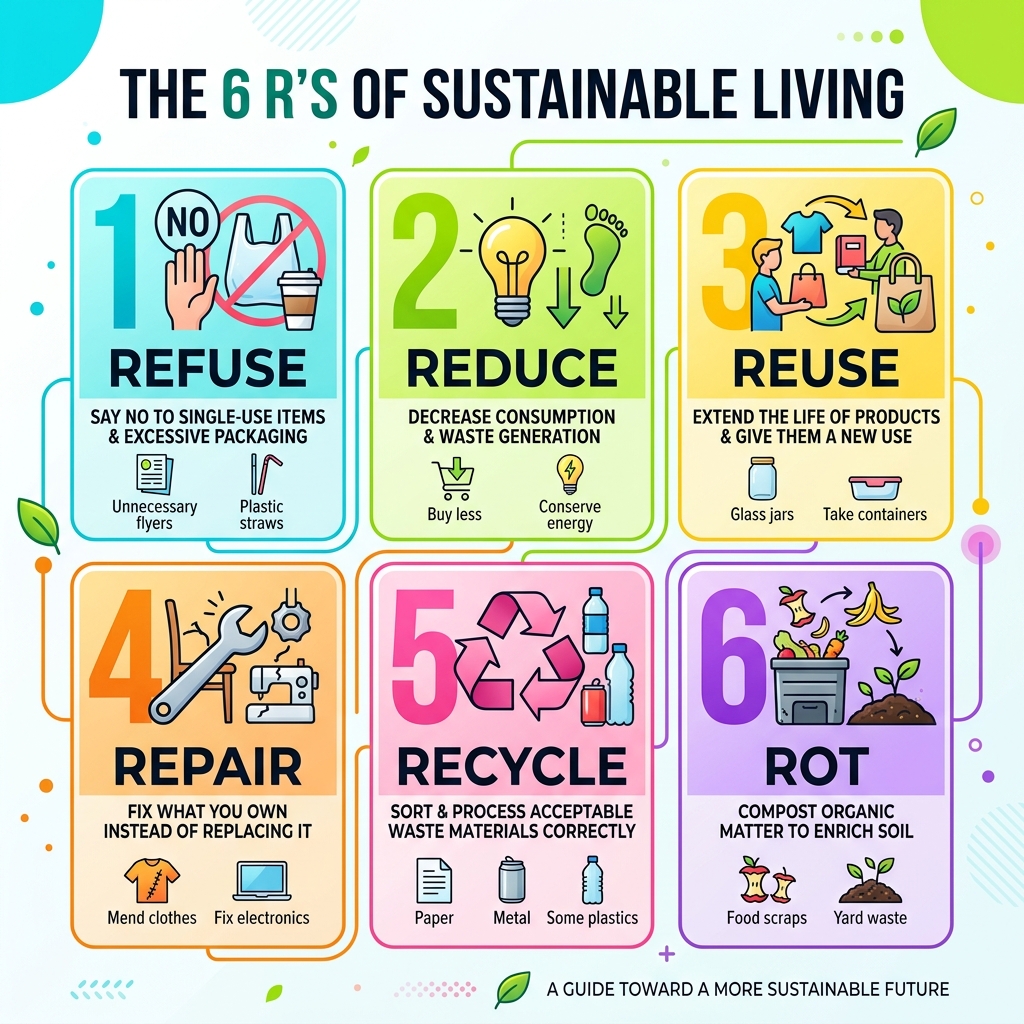
Choosing the Best Eco Friendly Products for Your Home
When we start our journey toward a more sustainable home, the first hurdle we hit is often “greenwashing.” This is a tactic where companies use clever marketing to make a product seem environmentally friendly when it really isn’t.
Think of it like a wolf in sheep’s clothing, but the sheep’s clothing is dyed a very specific shade of leaf-green. Common greenwashing tactics include using vague terms like “natural” or “eco-conscious” without any data to back them up. You might also see an abundance of nature-inspired branding—lots of pictures of sprouts, forests, and happy turtles—even if the product inside is wrapped in three layers of non-recyclable plastic.
To find genuinely eco friendly products, we need to look past the pretty packaging. One of the most important 10 things to look for when buying “green” products is material transparency. Does the company tell you exactly what is in the product? Do they have a plan for the product’s “end-of-life”—meaning, can it be composted, recycled, or easily repaired?
We recommend starting your search in a curated Sustainable Products Category where the vetting has already been done for you. A true eco-friendly product should have a detailed sustainability plan behind it, not just a vague pledge to “be better by 2050.”
Robust Certifications for Eco Friendly Products
How do we verify if a company is telling the truth? We look for the “gold standard” of third-party certifications. These organizations do the heavy lifting so we don’t have to.
- Certified B Corporation: This is one of the most rigorous certifications available. It doesn’t just look at one product; it measures a company’s entire social and environmental performance.
- Global Organic Textile Standard (GOTS): If you’re buying clothes or bedding, look for GOTS. It ensures the product contains at least 70% certified organic fibers and meets strict environmental and social criteria during manufacturing.
- MADE SAFE®: This is essential for personal care. It identifies products that have been screened for known carcinogens, endocrine disruptors, and high-risk pesticides.
- Fair Trade: This ensures that the people making your products are paid fairly and work in safe conditions, while also prohibiting the use of the most harmful chemicals.
- OEKO-TEX Standard 100: This certifies that every component of a product—from the thread to the buttons—has been tested for harmful substances.
- BPI-Certified Compostables: If a product claims to be compostable, look for the BPI logo. This means it has been scientifically tested to break down in industrial composting facilities.
Assessing Product Durability and Lifecycle
The most sustainable product is the one you already own. But when you do need to buy something new, durability is your best friend. A “green” product that breaks after two uses isn’t eco-friendly—it’s just expensive trash.
When assessing a product, look at the post-consumer recycled content. This means the material was once something else (like a water bottle) and has been diverted from a landfill to make your new item. Also, check the warranty. A company that offers a 25-year warranty is signaling that they’ve built something to last, which is a core pillar of sustainability.
For bigger purchases, like furniture, we should prioritize items that can be repaired. Check out our Sustainable Living Top Picks for Eco-Friendly Furniture for examples of pieces designed with circular economy principles in mind. This means the product is designed to be reused, refurbished, or recycled at the end of its life, rather than being tossed into a bin.
The Environmental Impact of Plastic Waste

We’ve all seen the heartbreaking images of plastic in our oceans, but the statistics are even more sobering. Only about 9% of all plastic ever made has likely been recycled. What happens to the other 91%? About 12% is incinerated (which releases toxic chemicals into the air), and a staggering 79% accumulates in landfills or the natural environment.
This isn’t just an “eyesore” issue. Plastic pollution is a literal killer. One million seabirds and 100,000 marine mammals die every single year because of plastic in our oceans. Many animals mistake plastic for food, leading to starvation, or get entangled in “ghost fishing gear”—discarded nets that can haunt the ocean for up to 600 years.
Choosing eco friendly products helps mitigate this by reducing the demand for virgin plastic. For more specific advice on choosing items that won’t haunt the planet for centuries, take a look at our Biodegradable Product Recommendations.
Understanding Resin Identification Codes
You know those little triangles with numbers (1 through 7) on the bottom of plastic containers? Most people think that symbol means “this is recyclable.” Unfortunately, that’s not always true.
Speaking of plastic, there are 7 different types of recyclable plastics, but in the U.S., only Nos. 1 and 2 are dependably recycled. Numbers 3 through 7 are often “downcycled” (turned into a lower-quality product that can’t be recycled again) or simply sent to the landfill because there is no market for the material.
Furthermore, plastic isn’t just bad for the birds; it can be bad for us, too. Nearly 93 percent of people tested positive for BPA, a potentially harmful chemical often found in plastic products. By switching to glass, stainless steel, or silicone, we can reduce our personal exposure to these chemicals.
Essential Swaps: Top Sustainable Picks
Making the switch to eco friendly products doesn’t have to be a chore. In fact, many sustainable alternatives work better and save you money in the long run.
| Single-Use Habit | The Sustainable Swap | Why it Wins |
|---|---|---|
| Plastic Toothbrush | Bamboo Toothbrush | Biodegradable handle; stops 100m+ plastic brushes from entering Australian landfills annually. |
| Disposable Coffee Pods | Stainless Steel Reusable Pods | Saves money; stops 27 million capsules from being dumped daily. |
| Plastic Cling Wrap | Beeswax Wraps | Washable and reusable for up to a year; keeps food fresher. |
| Liquid Laundry Jugs | Laundry Detergent Sheets | Plastic-free; lightweight (reduces shipping emissions); no messy liquids. |
| Paper Towels | Reusable “Unpaper” Towels | One cloth can replace dozens of rolls; highly absorbent. |
For a deeper dive into transforming your home, check out our guides on The Green Home The Best Sustainable Products for an Eco-Friendly Living and our Eco-Friendly Cleaning Products Guide.
Practical Swaps and Eco Friendly Products for Daily Use
Let’s look at some specific, high-impact changes you can make today.
- The Coffee Routine: Did you know that 27 million disposable coffee capsules are dumped in landfills every single day? Switching to stainless steel reusable pods is an easy win. They pay for themselves quickly and allow you to use your favorite local coffee grounds.
- The Bathroom: In Australia alone, over 100 million plastic toothbrushes are consumed every year. These can take 500 years to degrade. A bamboo toothbrush handle can be composted in your backyard. Combine this with silk dental floss (which is biodegradable) rather than plastic floss.
- The Laundry Room: Liquid detergents are mostly water, which makes them heavy and carbon-intensive to ship. Laundry detergent sheets or concentrated pods (just add water!) are game-changers. For a full breakdown of what works, read our Eco-Friendly Home Cleaning A Product Review.
- The Kitchen: Instead of plastic bin liners, use certified compostable ones. Unlike “degradable” plastic (which just breaks into microplastics), certified compostable bags will fully decompose within about 12 weeks in an industrial compost setting.
- Personal Care: Solid shampoo and conditioner bars eliminate the need for plastic bottles entirely. Plus, they’re great for travel! Check out our Sustainable Personal Care Products guide for more “naked” product options.
Innovative Materials Shaping a Sustainable Future
The future of eco friendly products is being built with some truly cool technology. We are moving beyond just “recycling” and into “upcycling” and “bio-manufacturing.”
- rPET (Recycled Polyester): This material is made from recycled plastic bottles. Using mechanically recycled polyester can reduce greenhouse gas emissions by more than 70% compared to virgin polyester. You can now find everything from umbrellas to beach towels made from this material.
- Vegan Leathers: Forget plastic-based “pleather.” The new wave of vegan leather is made from fruit! Innovations like apple skin or pineapple leaf leather are creating beautiful, durable bags and shoes without the environmental toll of the traditional leather industry.
- Bamboo Fibers: Bamboo is a miracle plant. It grows incredibly fast with very little water and no pesticides. It’s being used for everything from toilet paper to bed sheets. In fact, bamboo sheets can use up to 500x less water than traditional cotton.
- Mushroom Packaging: Companies are now “growing” packaging using mycelium (the root structure of mushrooms). It’s as sturdy as Styrofoam but can be tossed in your garden to decompose when you’re done.
- Reclaimed Wood: Using wood from old furniture or buildings prevents new trees from being cut down and gives a unique, storied look to new products.
Frequently Asked Questions about Eco-Friendly Living
What is the difference between compostable and biodegradable?
This is a big one! “Biodegradable” is a broad term meaning something will eventually break down into smaller pieces by natural processes. However, it doesn’t specify how long it will take or what it will leave behind (it could leave microplastics). “Compostable” is a much stricter term. It means the product will break down into nutrient-rich organic matter within a specific timeframe (usually 90-180 days) under composting conditions, leaving no toxic residue.
How can I identify greenwashing when shopping?
Look for “The Three V’s”: Vague claims, Visual fluff, and lack of Verification. If a product says it’s “eco-friendly” but doesn’t explain why, or if it uses lots of green leaves on the box but has no third-party certifications (like B Corp or GOTS), it’s likely greenwashing. Also, be wary of companies that highlight one “green” product while the rest of their business is environmentally destructive.
Which plastic recycling codes are actually recycled?
In most municipal systems, only Resin Identification Codes 1 (PET) and 2 (HDPE) are consistently recycled. These are your standard water bottles and milk jugs. Codes 3 through 7 (like PVC, LDPE, and Polystyrene) are much harder to process and often end up in landfills even if you put them in the recycling bin. When in doubt, try to “Refuse” these plastics entirely!
Conclusion
At Refugio do Jardim, we believe that living a more sustainable life shouldn’t feel like a sacrifice. It’s about making intentional choices that align with our values. By choosing eco friendly products, we aren’t just “buying stuff”—we are voting for the kind of world we want to live in.
Whether it’s switching to a bamboo toothbrush, opting for laundry sheets, or supporting companies with high ethical standards and carbon-neutral shipping, every small action counts. The future of sustainability isn’t about one person doing “zero waste” perfectly; it’s about millions of us doing it imperfectly, but consistently.
Ready to make your first swap? Explore our full range of Sustainable Products and join us in creating a cleaner, greener home.
