
Lessen Carbon Emission with These Government-Verified Programs
Why You Need to Lessen Carbon Emission — and How to Start Now
Lessen carbon emission with these proven, government-backed steps:
- Switch to renewable energy at home — saves up to 1.5 tons of CO₂e per year
- Go car-free or switch to an EV — saves up to 2 tons of CO₂e per year
- Improve home energy efficiency — insulation, LED lighting, heat pumps — saves up to 900 kg CO₂e per year
- Shift to a plant-forward diet — saves up to 900 kg CO₂e per year (vegan) or 500 kg (vegetarian)
- Cut food waste — saves up to 300 kg CO₂e per year
- Take one fewer long-haul flight — saves nearly 2 tons of CO₂e per trip
- Enroll in government incentive programs — rebates, tax credits, and community solar make upgrades affordable
Since the Industrial Revolution, humans have pumped more than 2,000 gigatonnes of carbon dioxide into the atmosphere. The carbon footprint now makes up 60% of humanity’s total ecological footprint — and it has grown 11-fold since 1961.
That’s a staggering number. And it’s easy to feel like your individual choices don’t matter against that scale.
But here’s the truth: they do.
The top 10% of earners globally are responsible for nearly half of all emissions. The average American produces 16 tons of CO₂ per year — four times the global average of 4 tons, and eight times the Paris Agreement target of below 2 tons by 2050.
The gap between where we are and where we need to be is real. But so is the path forward.
This guide covers government-verified programs and practical strategies that make it easier — and often cheaper — to cut your emissions starting today. No lifestyle overhaul required.
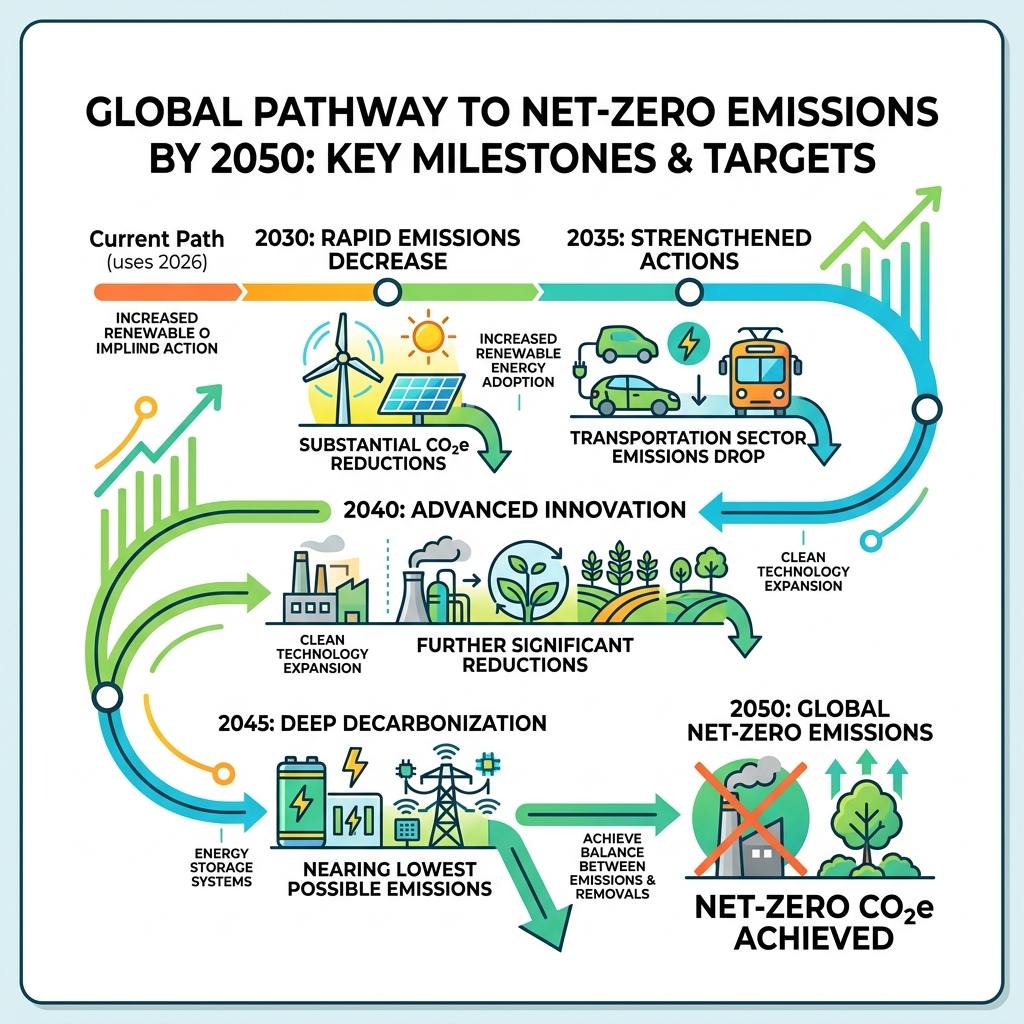
Understanding Carbon Footprints and Global Reduction Targets
To effectively lessen carbon emission, we first have to understand what we are measuring. A “carbon footprint” is shorthand for the total amount of greenhouse gases (including carbon dioxide, methane, and nitrous oxide) generated by our actions. In the business world, we categorize these into three “Scopes”:
- Scope 1: Direct emissions from sources we own or control (like the gas your car burns or the furnace in your basement).
- Scope 2: Indirect emissions from the generation of purchased energy (the power plant that makes your electricity).
- Scope 3: All other indirect emissions in the value chain (the carbon it took to make your smartphone, ship your Amazon package, or grow your lunch).
Why does this matter? Because we are currently in a state of “ecological overshoot.” This means humanity is demanding more from the Earth than its ecosystems can regenerate. According to the Scientific research on the global carbon footprint, our carbon footprint is the largest component of this demand. We are essentially using “biocapacity” (the planet’s ability to renew resources and absorb waste) faster than the Earth can provide it.
The Paris Agreement, signed by nearly 200 countries, aims to keep global temperature rise well below 2°C, with a target of 1.5°C. To hit that 2°C goal with a 66% probability, atmospheric concentrations of greenhouse gases must stay below 450 ppm (parts per million) CO₂ equivalent. As of 2022, we were already at 523 ppm. The math is simple: we need to move fast.
The Importance of the 1.5°C Climate Goal
You might wonder, “Is half a degree really that big of a deal?” In climate terms, it’s the difference between a manageable challenge and a catastrophe. Limiting warming to 1.5°C helps prevent dangerous feedback loops—like the melting of permafrost that releases even more methane, or the drying of wetlands that leads to massive forest fires.
By staying under this limit, we protect our food supply, maintain cleaner air, and ensure a more stable world for the next generation. If you’re looking for a place to start, checking out our guide on reducing-carbon-footprint-at-home is a fantastic first step toward hitting these personal targets.
Proven Strategies to Lessen Carbon Emission at Home and Work
Whether you are running a household or a business, the most effective way to lessen carbon emission is to start with an audit. You can’t manage what you don’t measure. In fact, organizations that measure their carbon footprint are three times more likely to achieve meaningful reductions.
For businesses, implementing “intelligent asset management” isn’t just eco-friendly; it’s profitable. Using data-driven software can lead to a 15-25% reduction in energy consumption. For homeowners, a simple energy audit can pinpoint exactly where heat is leaking out of your house.
We also need to embrace the “circular economy.” This means moving away from the “take-make-waste” model. Instead, we should focus on waste diversion—recycling, reusing, and repairing. Did you know that every kilogram of textiles produced generates about 17 kilograms of CO₂e? That pair of jeans in your closet took about 20kg of carbon to manufacture!

Carbon Savings Comparison Table
| Action Type | Specific Action | Estimated Annual CO₂e Saving |
|---|---|---|
| Individual | Switching to a Green Energy Supplier | 1.14 Tonnes |
| Individual | Living Car-Free | 2.0 Tonnes |
| Individual | Shifting to a Vegan Diet | 0.9 Tonnes |
| Individual | Cutting Food Waste | 0.3 Tonnes |
| Corporate | Comprehensive Energy Efficiency Programs | 20-40% of Facility Energy |
| Corporate | Intelligent Asset Management | 15-25% Energy Reduction |
For more localized help, the Steps to Lower Your Carbon Footprint – NYSERDA provides a roadmap for residents to tap into state-level incentives.
Practical Steps to Lessen Carbon Emission Through Energy Efficiency
Energy efficiency is the “low-hanging fruit” of climate action. It’s often the cheapest way to see big results.
- LED Lighting: This is a no-brainer. LED bulbs use 75% less energy than traditional incandescent bulbs and last up to 25 times longer. Changing all the bulbs in your home can save an average of 111kg of carbon every year.
- Heat Pumps: If you’re still using an electric-resistance water heater or a gas furnace, it’s time for an upgrade. Heat pump water heaters are two to three times more efficient than standard electric ones. Air source heat pumps provide clean heating and cooling, significantly cutting your home’s footprint.
- Weatherization: This involves sealing air leaks, adding insulation, and upgrading windows. Weatherization upgrades can cut HVAC energy use by up to 40%.
- ENERGY STAR Appliances: When your old dishwasher or dryer dies, replace it with an ENERGY STAR certified model. Heat pump dryers, for example, use about 28% less energy than conventional electric dryers.
If you want to dive deeper into these technical upgrades, we have detailed resources on harnessing energy efficiency for eco-friendly homes and essential home insulation tips to help you navigate the process.
How Lifestyle Changes Lessen Carbon Emission Significantly
While big tech and government policy are crucial, our daily habits are the engine of change.
Dietary Shifts: You don’t have to go 100% vegan overnight to make an impact. Shifting from a mixed diet to a vegetarian one can reduce your footprint by 500kg of CO₂e per year. If you can make the jump to vegan, that number rises to 900kg. Even going meat-free one day a week saves about 0.40 tonnes of carbon annually. It’s about progress, not perfection!
Transportation: This is a big one. In the U.S., transportation is a leading source of emissions. Living car-free can slash your footprint by 2 tons of CO₂e per year. If you must drive, switching to an electric vehicle (EV) offers a similar 2-ton reduction. And don’t forget the “small” things: keeping your tires properly inflated and your car serviced saves about 0.09 tonnes a year.
Food Waste: About a third of the food produced globally goes to waste. When food rots in a landfill, it produces methane—a gas 26 times more potent than CO₂. By simply planning your meals and composting leftovers, you can cut your personal footprint by 300kg per year. Check out our guide on energy saving habits for families for more lifestyle tips that stick.
Leveraging Natural and Technological Carbon Removal Methods
To hit the 1.5°C goal, reducing our current emissions isn’t enough. We also have to remove the carbon that’s already up there. Global estimates suggest we need to remove between 7 billion and 9 billion metric tons of CO₂ per year by 2050.
We have two main ways to do this: natural methods (using biology) and technological methods (using engineering).
Natural Sinks and Biodiversity Support
Nature has been “sequestering” carbon for billions of years through photosynthesis. Forests, oceans, and soils are our greatest allies.
- Forests: Trees are relatively inexpensive carbon catchers, generally costing less than $50 per metric ton of CO₂ removed. In the U.S. alone, the potential for carbon removal from forests is over half a gigatonne per year—roughly equal to the emissions of the entire U.S. agricultural sector.
- Soil and Farms: By using sustainable farming practices, we can turn agricultural land into a giant carbon sponge.
- Native Planting: Even in your own backyard, planting native species helps. Native plants support local biodiversity and are often better at sequestering carbon in the soil than manicured lawns.
To learn more about how nature and home life intersect, read about our innovative ways to reduce energy consumption at home.
Technological Solutions: Direct Air Capture and Mineralization
While we love trees, they require a lot of land. That’s where technology comes in.
- Direct Air Capture (DAC): These are essentially giant fans that “scrub” CO₂ directly from the sky. It’s currently expensive—credits can cost anywhere from $100 to $2,000 per metric ton. It also requires a lot of energy; scrubbing 1 gigatonne of CO₂ could take about 7% of current U.S. energy consumption.
- Carbon Mineralization: This involves turning CO₂ into solid rock by reacting it with certain minerals. It’s a very permanent way to store carbon.
- Biomass Storage: This involves taking waste biomass (like corn husks or nut hulls) and burying it or turning it into biochar so the carbon doesn’t release back into the air as the plants rot.
Understanding the difference between effective carbon reduction vs offsetting for individuals is key here. Reduction means not emitting the carbon in the first place, while removal (often funded through offsets) deals with the carbon already present.
Navigating Government Incentives and Global Policy Frameworks
Governments are finally putting their money where their mouth is. There are countless programs designed to help you lessen carbon emission without breaking the bank.
In the European Union: The EU has already achieved a 37% drop in emissions compared to 1990 levels. Their “Fit for 55” plan targets a 55% reduction by 2030. They are heavily subsidizing the transition to renewables and penalizing methane leaks in the energy sector.
In the United States: Programs like the GHG Reduction Programs & Strategies | US EPA provide frameworks for local leadership. In states like New York, the incentives are even more specific:
- NYS Clean Heat: Offers thousands of dollars in rebates for installing heat pumps.
- Drive Clean Rebates: Provides up to $2,000 for purchasing or leasing an electric car.
- Community Solar: New York is a leader here, with 2 gigawatts installed. This allows you to benefit from solar power without having to put panels on your own roof!
Prioritizing Reduction, Avoidance, and Removal
When you’re building your personal or business climate plan, follow the “Carbon Hierarchy”:
- Reduction: Stop the emissions at the source (e.g., insulate your attic).
- Avoidance: Choose options that prevent future emissions (e.g., take the train instead of a short-haul flight).
- Removal: Pay for technology or nature to pull carbon out of the air (e.g., high-quality carbon credits).
- Offsetting: This should be your last resort for the emissions you absolutely cannot eliminate yet.
For a quick list of things you can do today, see our easy energy reduction tips for your household.
Frequently Asked Questions about Carbon Reduction
What is the difference between carbon reduction and carbon offsetting?
Carbon reduction is the act of lowering the amount of greenhouse gases you produce (like switching to LED bulbs). Carbon offsetting is when you “cancel out” your remaining emissions by funding a project elsewhere—like a wind farm or a reforestation project—that reduces or removes an equivalent amount of CO₂. Think of reduction as the “engine” and offsetting as the “finishing gear.”
How can I accurately measure my personal carbon footprint?
There are several great tools available. The EPA’s Household Carbon Footprint Calculator and The Nature Conservancy’s calculator are both gold standards. They will ask about your energy bills, your car’s gas mileage, and your diet to give you a personalized tonnage.
Which government programs offer the best financial incentives for homeowners?
It depends on where you live, but in the U.S., the federal Investment Tax Credit (ITC) for solar is huge. In New York, the tax credit for ground source heat pumps can be up to $5,000 or 25% of the project cost. Always check with your local energy authority (like NYSERDA in NY) to see what rebates are currently active.
Conclusion
At Refugio do Jardim, we believe that sustainable living shouldn’t be a luxury—it should be the default. Whether it’s through simple habits like turning off appliances at the wall (which can save 310kg of carbon a year!) or major upgrades like installing a heat pump, every action contributes to our collective impact.
We are all part of this global ecosystem. By using the government-verified programs and strategies outlined in this guide, you aren’t just saving money—you’re participating in a global movement to protect our planet’s biocapacity.
Don’t wait for the “perfect” time to start. Pick one thing from the list above—maybe it’s switching to a green energy supplier or finally composting those kitchen scraps—and do it today. Start your journey to a greener home today and let’s lessen carbon emission together. After all, little changes really do make a big difference.
