
Modern Organic Decor: The Ultimate Guide to Natural Style
What Is Modern Organic Decor?
Modern organic decor is an interior design style that blends minimalist, contemporary aesthetics with the warmth and texture of natural materials.
Quick answer:
- Style: Clean, simple forms combined with earthy, nature-inspired elements
- Colors: Warm neutrals — think sage, ecru, auburn, and muted olive
- Materials: Wood, stone, rattan, linen, jute, terracotta, and leather
- Key features: Curved silhouettes, handcrafted accents, indoor plants, and abundant natural light
- Mood: Calm, grounded, and quietly sophisticated
Most of us spend the majority of our time indoors. Yet something about concrete walls and synthetic surfaces leaves us feeling disconnected and drained. Modern organic decor is a direct response to that feeling.
It doesn’t ask you to gut your home or start from scratch. It’s about small, intentional choices — a wooden bowl here, a linen throw there — that quietly bring nature back into your everyday environment.
The result is a home that feels both current and timeless. Polished, but never cold. Simple, but never bare.
Whether you have a full weekend or just twenty minutes, this guide will show you exactly how to bring this style into your space — room by room, step by step.

Defining Modern Organic Decor and Its Core Principles
When we talk about modern organic decor, we are looking at a style that has come full circle. For most of human history, we lived in close harmony with our physical environment. Modern organic design is a return to those roots, but with a sophisticated, contemporary twist.
The Roots of the Movement
The philosophy behind this style isn’t new. It was pioneered by legendary architect Frank Lloyd Wright, who believed in creating a “perfect balance” between the manmade and natural worlds. This belief evolved through the mid-20th century Brazilian Modern movement, which emphasized smooth, rounded forms and raw materials like solid wood and stone.
Today, we see this manifest as a hybrid of modern minimalism and nature’s raw beauty. It takes the “less is more” approach of contemporary design and softens the edges with “perfectly imperfect” organic elements.
Core Principles
To master this look, we focus on three main pillars:
- Human-Nature Harmony: Every piece should feel like it belongs in the natural world. This means prioritizing materials that breathe and age beautifully.
- Curated Simplicity: Unlike rustic or bohemian styles, modern organic decor avoids clutter. We choose a few high-quality, impactful pieces rather than a dozen small trinkets.
- Visual Flow: We look for architectural integration. The transition from your living room to your garden should feel seamless, creating a sense of peace and continuity.
For more inspiration on how to bridge the gap between your home and the environment, check out our guide on nature inspired living top eco friendly interior designs for your home.
The Essential Elements of Modern Organic Decor
Achieving the modern organic decor look requires a careful balance of “cool” contemporary lines and “warm” natural textures. It’s about the juxtaposition of a sleek, metal-framed chair against a rough-hewn wooden table.
The Color Palette: Beyond Basic Brown
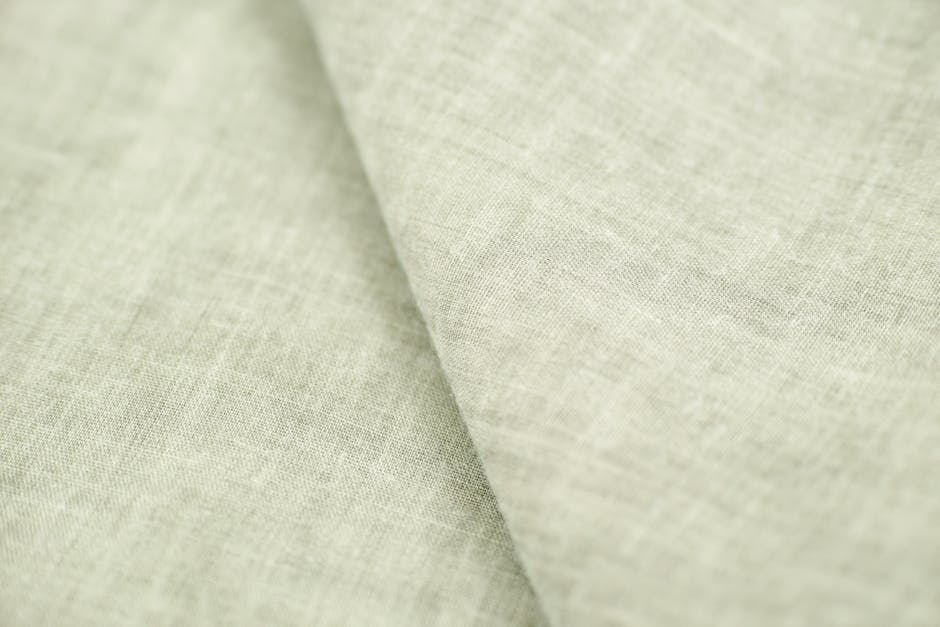
While many people think “organic” just means brown, we prefer a more nuanced approach. The goal is serenity. We use subtle earth tones that mimic the outdoors:
- Ecru and Cream: For a soft, airy base.
- Sage and Olive: To bring in the calming essence of foliage.
- Auburn and Terracotta: To add warmth and depth without being overwhelming.
- Sandy Beige: For a grounded, neutral foundation.
Materials and Textures
Texture is the secret sauce of this design style. By layering different materials, we create a space that feels lived-in and luxurious.
- Wood: Opt for rich grains like walnut, mahogany, or acacia. A natural mahogany organic sculpture can serve as a stunning focal point, changing its appearance as the light moves throughout the day.
- Stone and Earth: Incorporate travertine, marble, and terracotta. These materials provide a cool, heavy contrast to softer textiles.
- Woven Fibers: Jute, rattan, and seagrass are essential. Whether it’s a large wooden organic modern bowl or a hand-woven rug, these pieces add an artisanal touch.
- Sustainable Textiles: Look for organic cotton, wool, and linen. These fabrics are not only eco-friendly but offer a tactile comfort that synthetic fibers can’t match.
Handcrafted and Sculptural Pieces
In a world of mass production, handcrafted items bring soul to a room. We love using sculptural furniture, such as an organic modern freeform root console table. Because each teak root is unique, these pieces act as original works of art.
If you are looking to update your furniture with the planet in mind, explore our tips on furniture with a conscience eco friendly design ideas.
Maximizing Natural Light and Indoor-Outdoor Synergy
One of the most important components of modern organic decor is the relationship between the interior of the home and the world outside. This is often referred to as biophilic design – the practice of connecting people and nature within built environments.
The Power of Natural Light
Sunlight is more than just a way to see your furniture; it is an essential “earthly” element. Research from the National Center for Biotechnology Information supports that sunlight exposure supports Vitamin D production, improves mood, and reduces stress. To maximize this, we recommend:
- Oversized Windows and Skylights: Flood your space with light to mimic the feeling of being outdoors.
- Minimal Window Treatments: Use sheer linens or nothing at all to keep the boundaries between inside and out as thin as possible.
Blurring the Boundaries
We want to create a synergy where the backyard feels like an extension of the living room. This can be achieved through:
- Indoor Greenery: Bringing plants indoors is a fundamental element. Not only do they look beautiful, but they have been scientifically proven to improve air quality.
- Architectural Features: Consider covered patios or exposed walkways that lead the eye (and the body) toward nature.
- Windowed Walls: If you are renovating, full windowed walls are the ultimate way to achieve this synergy.
Discover more ways to breathe life into your home with our green home interior innovative design ideas.
Room-by-Room Guide to Natural Styling
Applying modern organic decor to your home doesn’t have to happen all at once. You can take a room-by-room approach, focusing on the unique functions and feelings of each space.
Before you start, it helps to have a few sustainable living top picks for eco-friendly furniture in mind to ensure your new look is as kind to the earth as it is to your eyes.
Styling a Modern Organic Decor Living Room
The living room should be a sanctuary of comfort. We start with a neutral palette and layer in depth through texture.
- Furniture: Choose pieces with sleek silhouettes but warm materials. A modern walnut coffee table with an organic design provides both beauty and practical storage.
- Accents: Use luxe leather ottomans as multifunctional seating or footrests.
- Lighting: Look for sculptural floor lamps—like those made of plaster or with linen shades—to provide a soft, diffused glow.
Creating a Modern Organic Decor Bedroom
Your bedroom should be both relaxing and invigorating.
- Bedding: Use layered linens and organic cotton in shades of ecru and sand.
- Storage: Swap plastic bins for woven baskets to hold extra blankets or pillows.
- Greenery: A large potted tree (like a Fiddle Leaf Fig or an Olive tree) in the corner adds height and life.
Designing an Organic Modern Kitchen and Bath
In these high-utility rooms, clean lines are your best friend.
- Kitchen: Use natural stone countertops and wooden cabinetry to create visual order. Statement pieces like handcrafted wooden bowls or organic modern kitchen accessories can warm up a sleek space.
- Bathroom: Transform your bath into a luxe sanctuary with a marble vanity and earthy accents. Incorporate organic shapes through your mirrors or even a natural organic sculpture on a shelf.
The Wellness Benefits of Organic Modernism
Incorporating modern organic decor into your home isn’t just an aesthetic choice; it’s a wellness choice. By surrounding ourselves with natural elements, we tap into a biological need for connection with the earth.
Stress Reduction and Mental Well-being
Studies show that plant life and botanicals boost our physical and mental well-being. The presence of wood and stone can lower cortisol levels (the stress hormone) and create a “sensory grounding” effect. In a digital world, these tactile, earthy environments provide a necessary restorative space.
Air Purification
One of the most practical benefits of this style is air quality. Plants like Snake Plants, Peace Lilies, and Spider Plants act as natural air purifiers. Furthermore, choosing furniture made from solid wood and natural fibers reduces the “off-gassing” often associated with synthetic materials and glues.
Synthetic vs. Natural Materials: A Comparison
| Feature | Synthetic Materials (Polyester, Plastic) | Natural Materials (Wood, Linen, Stone) |
|---|---|---|
| Durability | May degrade or crack over time | Often lasts for generations; develops a beautiful patina |
| Health Impact | Possible off-gassing of VOCs | Generally hypoallergenic and non-toxic |
| Environmental | High carbon footprint; non-biodegradable | Renewable resources; biodegradable |
| Tactile Feel | Can feel cold or “sticky” | Breathable, warm, and soft to the touch |
| Aesthetic | Uniform and often looks “mass-produced” | Unique, with “perfectly imperfect” variations |
Frequently Asked Questions about Modern Organic Style
What colors define the modern organic palette?
The palette is rooted in subtlety and serenity. We recommend avoiding bold, neon, or overly saturated shades. Stick to warm neutrals like creamy ecru, sandy beige, and warm terracotta. For pops of color, look to nature: sage green, muted olive, and deep auburn.
How does organic modern differ from rustic style?
While both styles value natural materials, the execution is different. Rustic style is often heavy, rugged, and can feel cluttered. Organic modern is much more minimalist. It uses refined finishes, contemporary silhouettes, and sleek lines to create a sophisticated, curated look. Think of it as “raw yet refined.”
What are the best materials for this look?
To truly capture the essence of modern organic decor, we suggest focusing on:
- Solid Wood: Walnut, oak, mahogany, and teak.
- Natural Stone: Travertine, marble, and slate.
- Textiles: Linen, wool, jute, and organic cotton.
- Artisanal Elements: Hand-carved wood, natural organic sculptures, and terracotta pottery.
Conclusion
At Refugio do Jardim, we believe that your home should be a reflection of the world you want to live in—one that is sustainable, peaceful, and deeply connected to nature. Modern organic decor offers a timeless aesthetic that doesn’t just look good on a screen but feels good to live in every single day.
By embracing the “perfectly imperfect” beauty of the natural world, you can create a sanctuary that supports your well-being and showcases your personal style. Whether you’re starting with a single mahogany sculpture or redesigning your entire living room, every step toward organic design is a step toward a more grounded life.
Ready to transform your space? Explore our Eco-Friendly Home Collection and discover pieces that bring the outside in.
