
Are Your Cleaning Products Doing More Harm Than Good?
Natural cleaner products are plant-based, biodegradable cleaning solutions made without harsh synthetic chemicals — and they work surprisingly well for everyday household tasks.
Here are the most popular types to know about:
| Type | Best For | Key Feature |
|---|---|---|
| All-purpose concentrate | Counters, glass, floors | One bottle, many surfaces |
| Laundry detergent | Clothes, linens | Enzyme-based, hypoallergenic |
| Dish soap | Dishes, cookware | Grease-cutting, septic-safe |
| Bathroom cleaner | Toilets, tiles, sinks | Soap scum removal |
| DIY solutions | All rooms | Low cost, minimal ingredients |
Think about the last time you cleaned your bathroom. You probably grabbed a spray bottle without reading the label.
Most conventional cleaners contain synthetic chemicals that linger on surfaces, vaporize into the air, and wash into waterways — quietly affecting your health and the environment.
The good news? Switching doesn’t mean scrubbing harder or spending more. It just means choosing smarter.
Modern natural cleaners have come a long way. Many are just as effective as their chemical counterparts — some tackle over 250 surfaces per bottle, make up to 35 refills from a single concentrate, and carry third-party certifications that back up their safety claims.
Whether you have five minutes or five dollars, there’s a natural cleaning option that fits your life.
Why Switch to Natural Cleaner Products?
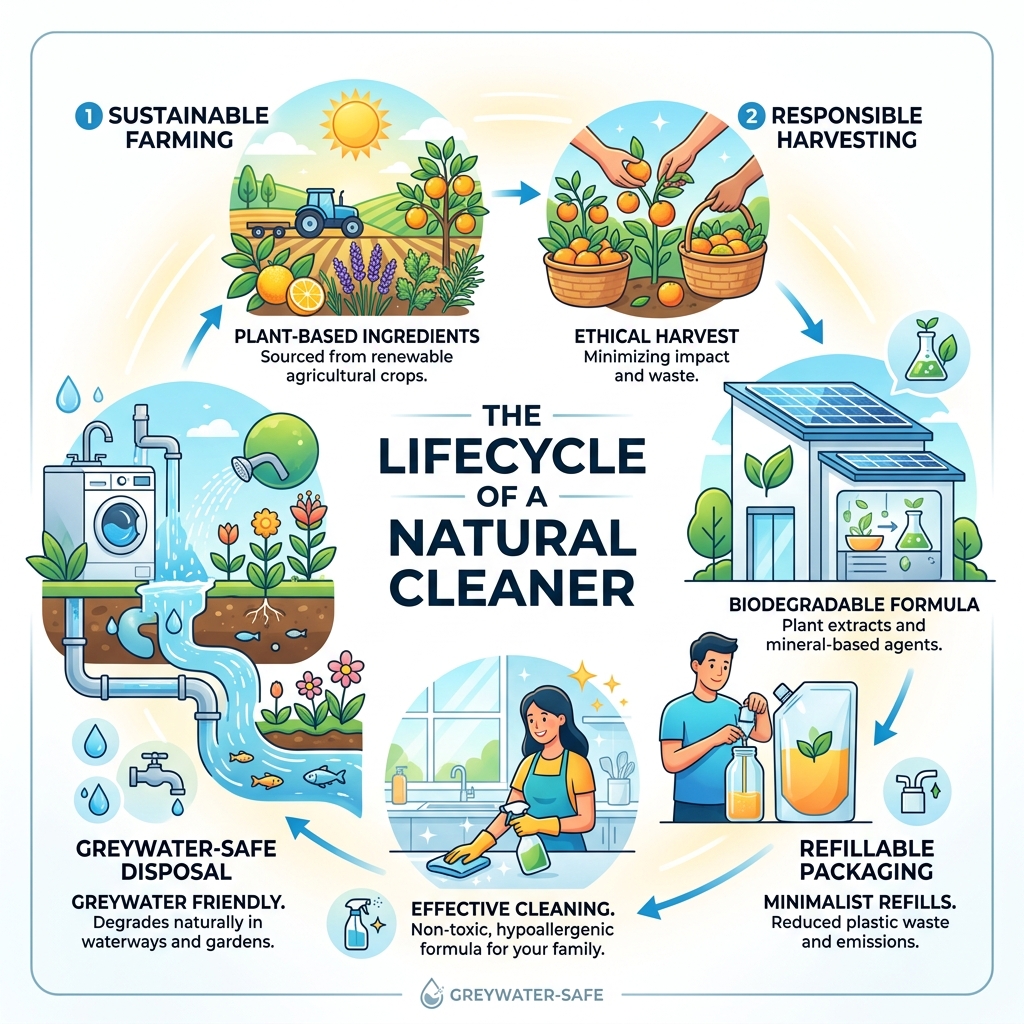
We often associate the smell of bleach or ammonia with a “clean” home, but that sharp, stinging scent is actually a warning sign. When we choose natural cleaner products, we aren’t just swapping labels; we are fundamentally changing the chemistry of our living spaces.
One of the primary drivers for making the switch is the reduction of Volatile Organic Compounds (VOCs). Conventional cleaners frequently release these gases, which can trigger asthma, cause headaches, and irritate the respiratory tract. By opting for plant-derived surfactants and botanical scents, we significantly improve our indoor air quality. This is particularly vital for those with skin sensitivities or allergies, as natural formulas are typically hypoallergenic and gentle on the touch. If you want a broader overview of VOCs and why they matter indoors, the U.S. Environmental Protection Agency guide to indoor air quality is a helpful reference.
The environmental impact is just as profound. Traditional cleaning chemicals don’t just disappear when they go down the drain; they can harm aquatic life and disrupt fragile ecosystems. In contrast, biodegradable ingredients break down quickly and safely. Furthermore, many leading eco-friendly brands now operate facilities powered by 100% renewable energy and utilize carbon- and water-neutral practices. For a deeper dive into how these choices affect your sanctuary, check out The Natural Home: An Essential Guide to Eco-Friendly Cleaning Products.
Top-Rated Natural Cleaner Products for Every Room
Finding the right products can feel overwhelming with so many “green” labels on the shelf. We look for a few golden rules: effectiveness, non-toxic ingredients, and sustainable packaging. Many modern brands have achieved “plastic neutral” status, meaning they recover as much plastic from the environment as they use, while others are pushing toward 100% post-consumer recycled materials.
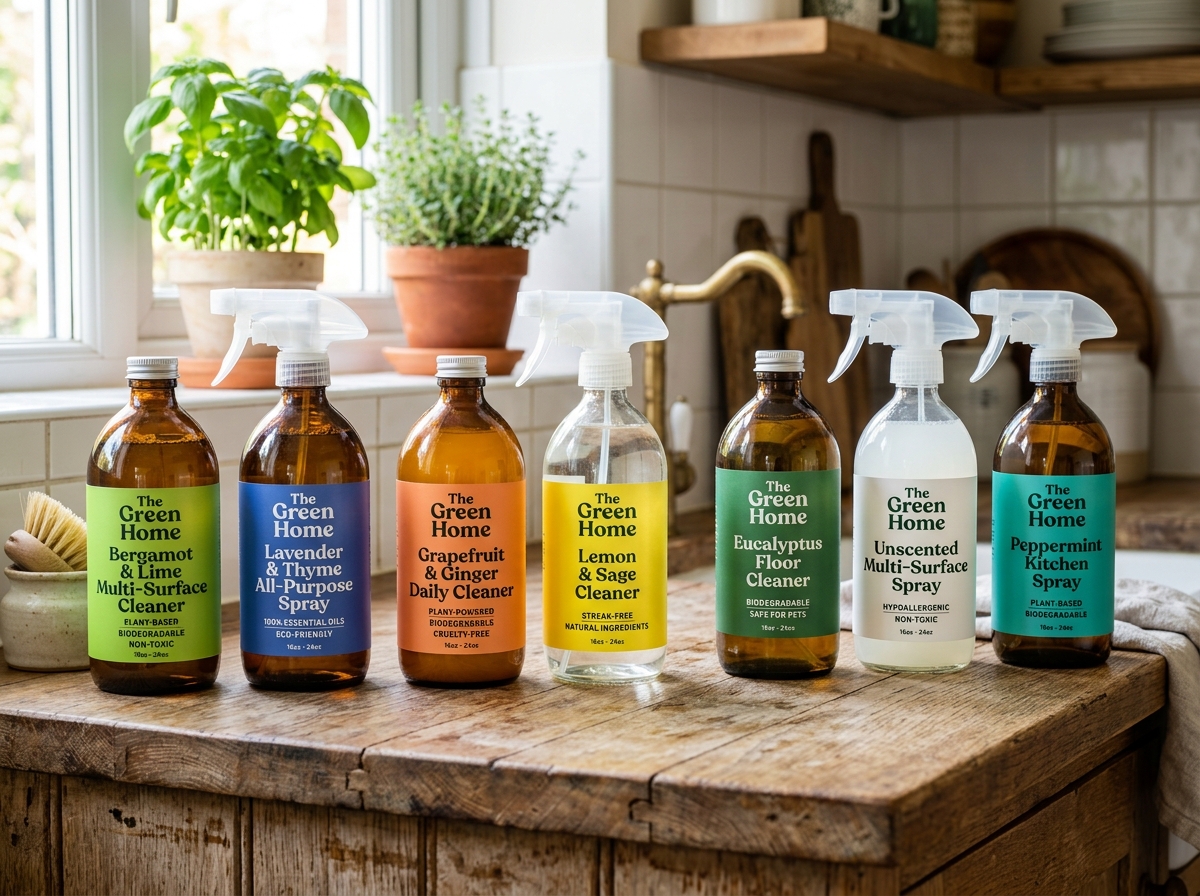
When selecting your toolkit, keep an eye out for third-party certifications. These aren’t just marketing fluff; they are rigorous stamps of approval from organizations that verify everything from animal testing to the biological origin of the ingredients. You can see how some of these stack up in our eco-friendly-home-cleaning-a-product-review.
All-Purpose Natural Cleaner Products for Daily Messes
The MVP of any cleaning closet is the all-purpose spray. A high-quality natural cleaner products all-rounder should be able to tackle grease on the stovetop, fingerprints on the fridge, and dust on the coffee table without leaving a cloudy residue.
Some of the most impressive options on the market today are 99.51% natural and engineered to be tough on grime but gentle on your senses. High-quality natural all-purpose cleaner concentrates are game-changers; you simply dilute them with water in a reusable bottle, and a single bottle can often clean over 250 surfaces.
If you prefer a ready-to-use spray with a refreshing scent, look for botanical all-purpose sprays that use 100% essential oils and ingredients like peach and crisp apple to leave your home smelling like a garden rather than a laboratory. For those with extreme sensitivities, fragrance-free versions offer the same punch without any added fragrances.
Specialized Solutions for Kitchens and Bathrooms
While all-purpose sprays are great, some areas need a bit more “oomph.” Kitchens deal with stubborn grease, while bathrooms face the dreaded soap scum and hard water stains.
Specialized natural cleaner products often utilize organic essential oils like grapefruit and lavender. Grapefruit isn’t just for breakfast; its natural oils are fantastic at breaking down oils and fats. Lavender, on the other hand, provides a calming therapeutic scent while offering mild antimicrobial properties.
For those who want a professional-grade deep clean, professional-grade all-in-one cleaner concentrates are a powerhouse. Some are highly concentrated—one bottle makes 35 bottles of cleaner—and are used by professional cleaning services because they actually work on tough bathroom grime. Other specialized plant-based cleaners use advanced technology to mimic the stress-reducing substances emitted by trees, effectively bringing a “forest bathing” experience into your kitchen.
Eco-Friendly Laundry and Floor Care
Laundry is one of the most frequent cleaning tasks we perform, and it’s also where we use the most water. Switching to natural laundry detergents ensures that your clothes are free from synthetic fragrances that can irritate the skin.
Modern eco-friendly laundry detergents often use bio-enzymes to lift stains. These enzymes “eat” protein or starch-based stains (like grass or food), making them incredibly effective even in cold water. For floors, look for pH-neutral formulas that are safe for laminate, hardwood, and tile. Because these products are septic-safe and biodegradable, you don’t have to worry about the greywater impacting the environment. For more tips on sustainable washing, see our eco-friendly-cleaning-products-guide-2.
DIY vs. Commercial Cleaning Solutions
One of the most common questions we hear is: “Should I buy it or make it?” The answer depends on your budget and how much you enjoy a little “kitchen chemistry.”
| Feature | DIY Solutions | Commercial Natural Cleaners |
|---|---|---|
| Cost-per-use | Extremely low ($0.10 – $0.50) | Moderate ($1.00 – $3.00) |
| Shelf Life | Short (especially with lemon) | Long (stable formulas) |
| Convenience | Requires prep time | Grab-and-go |
| Effectiveness | Great for daily maintenance | Better for heavy-duty grease/grime |
DIY solutions are king for waste reduction, especially when paired with refillable glass bottles. You can find a vast array of zero-waste cleaning tools that help bridge the gap between homemade and store-bought.
Common Ingredients for Homemade Natural Cleaner Products
If you decide to go the DIY route, you only need a few staple ingredients to clean almost anything:
- White Vinegar: An acetic acid that excels at cutting grease and removing mineral deposits.
- Baking Soda: A mild abrasive and excellent deodorizer.
- Washing Soda & Borax: Natural minerals that boost cleaning power and help with laundry.
- Lemon Juice: Contains citric acid and provides a fresh scent (note: these batches should be made fresh).
- Castile Soap: A versatile, vegetable-based soap that acts as a surfactant.
- Essential Oils: Sweet Orange and Lemon oils contain D-Limonene, a natural solvent that breaks down sticky buildup. Using natural cleaning concentrates is a great way to add these to your DIY mixes.
For a complete list of recipes, you can explore various natural cleaning resources dedicated to non-toxic, green, and eco-friendly solutions.
The Efficiency of Concentrates and Refills
If you aren’t ready to mix vinegar and water, natural cleaner products concentrates offer the perfect middle ground. By purchasing a concentrate, you aren’t paying for the shipping of water (which makes up 90% of most cleaning sprays). This significantly reduces the carbon footprint of the product.
Many brands now use 100% post-consumer recycled plastic for their bottles or offer glass “forever” bottles. Using premium concentrates allows you to save space in your cabinets and money in your wallet, as the cost-per-bottle drops drastically when you buy in bulk.
Safety Standards and Sustainability Certifications
How do we know if a product is actually safe? We look for the “badges of honor” on the back of the bottle. These certifications provide peace of mind that the natural cleaner products you bring home are safe for your children and furry friends.
- EPA Safer Choice: Verifies that the product uses the safest possible chemical ingredients for human health and the environment.
- Leaping Bunny: The gold standard for cruelty-free products, ensuring no animal testing at any stage of development.
- USDA Biobased: Indicates the percentage of the product derived from renewable biological sources (like plants) rather than petroleum.
- PETA Cruelty-Free: Another trusted indicator that no animals were harmed.
Using these certified products ensures that your home remains a sanctuary. For more on choosing the right labels, read Environmentally Safe and Sound: The Best Eco-Friendly Cleaning Products for Your Home.
Frequently Asked Questions about Natural Cleaning
Are natural cleaners as effective as conventional chemical cleaners?
Yes! While they may work differently (using enzymes or plant-surfactants instead of harsh acids), they are highly effective for daily household tasks. For heavy-duty disinfection, “cleaning” (removing dirt) and “disinfecting” (killing germs) are two different steps. A natural cleaner will remove the vast majority of bacteria by lifting it off the surface.
Is it safe to use these products around infants and pets?
Generally, yes. Most natural cleaner products are formulated to be non-toxic and biodegradable. However, always check the label for specific essential oils if you have pets, as some (like tea tree or certain citrus oils) can be sensitive for cats or dogs in high concentrations. Fragrance-free “Free & Clear” options are usually the safest bet for households with newborns.
How do I know if a product is truly “green” or just greenwashed?
“Greenwashing” is when a company uses vague terms like “natural” or “eco-friendly” without any proof. To avoid this, look for specific ingredient lists and the third-party certifications mentioned above (EPA Safer Choice, USDA Biobased, etc.). If a company is transparent about their sourcing and manufacturing, they are likely the real deal.
Conclusion
At Refugio do Jardim, we believe that a clean home shouldn’t come at the cost of your health or the planet’s future. Transitioning to natural cleaner products is one of the easiest steps you can take toward a more sustainable lifestyle. Whether you choose to mix your own vinegar solutions or invest in high-quality plant-based concentrates, you are making a choice that supports long-term health and environmental stewardship.
Ready to make the switch? Explore our full range of sustainable products and start your journey to a cleaner, greener home today. Your family, your pets, and Mother Nature will thank you!
