
Stop the Cling: Top-Rated Silicone Covers
Why Silicone Stretch Lids Covers Are Worth Switching To
Silicone stretch lids covers are reusable, flexible caps that stretch over bowls, cans, jars, and dishes to seal in freshness – no tape, no cling, no waste.
When choosing lids, consider these top-rated categories:
| Product Category | Best For | Rating | Price Range |
|---|---|---|---|
| Premium Variety Pack | Quality and size variety | 4.5/5 | Mid-Range |
| Small Container Set | Cans, mugs, and jars | 4.4/5 | Budget |
| Value 7-Pack | Widest size range | 4.3/5 | Budget |
| Large 14-Pack | Maximum coverage | 4.0/5 | Budget |
If you’ve ever reached for plastic wrap only to wrestle with a tangled, stuck mess – or tossed a sheet of foil after a single use – you’re not alone. Most households burn through hundreds of feet of single-use wrap every year.
Silicone stretch lids fix that. One small swap. Real, lasting impact.
They work by stretching over the rim of almost any container, then contracting to create an airtight seal. No special skills needed. No extra purchases. Just pull, stretch, and done.
For busy people who want to live more sustainably but don’t have hours to overhaul their kitchen habits, this is one of the easiest wins out there.
What makes these covers especially appealing is how quickly they become part of your routine. You can use them for leftover pasta, half-cut fruit, opened cans, meal-prep bowls, lunch containers, and even odd-shaped dishes that never seem to have the right lid nearby. Instead of searching through mismatched plastic tops, you reach for one reusable cover and move on with your day.
Over time, that convenience adds up. You buy less disposable wrap, throw away less food, and create less kitchen waste without changing how you cook. That combination of practicality, savings, and lower environmental impact is exactly why silicone lids have become such a popular upgrade for modern, low-waste kitchens.

What Are Silicone Stretch Lids Covers and How Do They Work?
At their core, silicone stretch lids covers are made from food-grade silicone, a high-performance elastic polymer. Unlike the rigid plastic lids that come with standard storage containers, these are floppy, pliable, and incredibly durable. They operate on a simple principle of tension and suction.
When you pull the tabs on the side of the lid, the material thins out and expands. Once you release it over the rim of a container, the silicone tries to return to its original shape, creating a tight grip. This “recoil” effect, combined with the naturally “grippy” texture of silicone, creates a leak-proof, airtight seal.
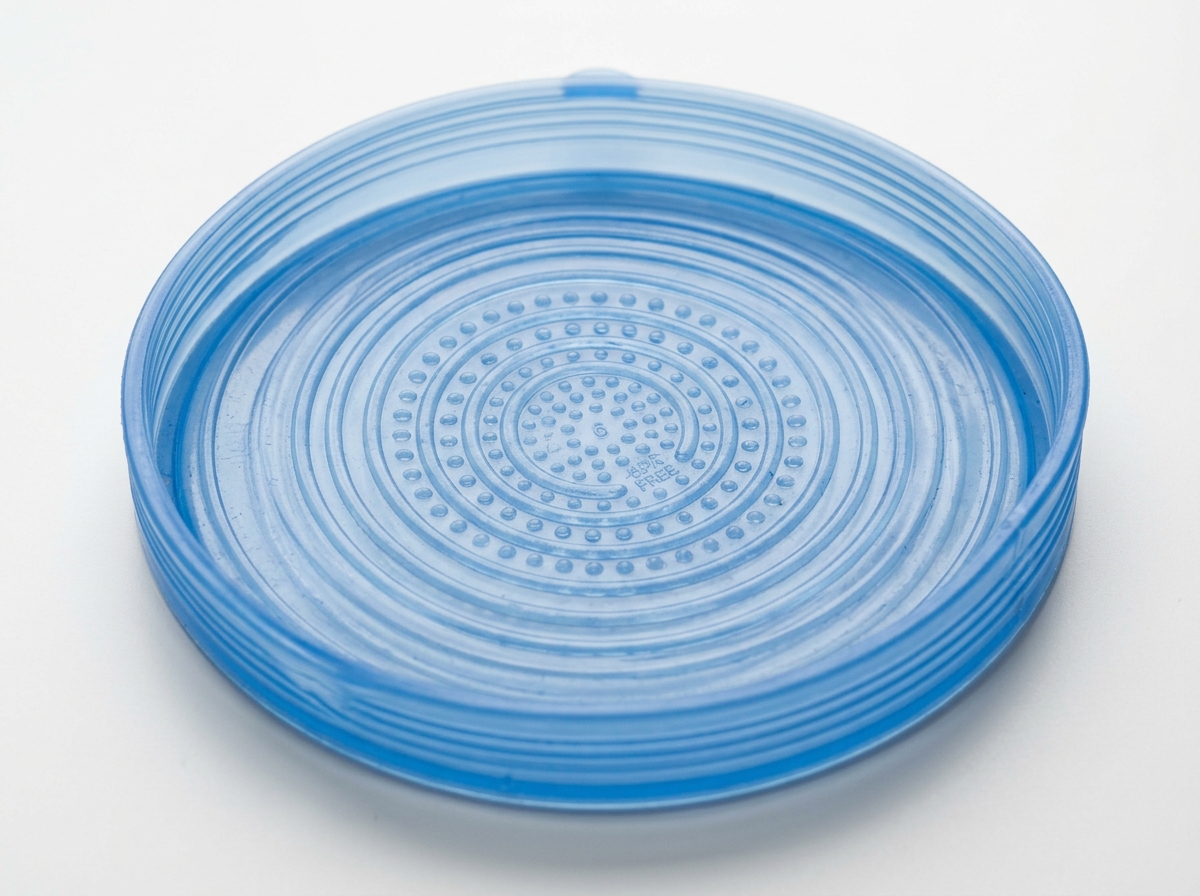
Many high-quality versions utilize a suction mechanism. By pressing down on the center of the lid after it’s applied, you can force out excess air, creating a vacuum-like environment that keeps food fresher for longer. Because silicone is non-porous, it won’t absorb odors from that leftover onion in the fridge, making it one of the most effective Eco-Friendly Alternatives to Plastic available today.
Why Silicone Beats Plastic Wrap and Foil
If we look at the kitchen drawer of the average home, we see a battleground of single-use materials. But when we stack silicone stretch lids covers against traditional methods, the winner is clear.
| Feature | Silicone Stretch Lids | Plastic Wrap | Aluminum Foil |
|---|---|---|---|
| Durability | Years of use | Single use | Single use |
| Airtight Seal | Excellent (Suction) | Moderate (Cling) | Poor (Folded) |
| Heat Resistance | Up to 450°F | Melts/Leaches | High (but reactive) |
| Cost | One-time investment | Recurring expense | Recurring expense |
| Waste | Zero | High | High |
The most immediate benefit we see is waste reduction. Plastic wrap is notoriously difficult to recycle and often ends up in landfills or oceans. By switching to silicone, you are actively participating in Ways to Reduce Packaging Waste.
Furthermore, silicone provides a superior barrier against oxygen. This is vital for Reducing Food Waste Tips because oxygen is the primary culprit behind food spoilage. Whether it’s preventing half an avocado from browning or keeping a bowl of soup from spilling in the fridge, the airtight suction of silicone is simply more reliable than a piece of foil that easily tears or shifts.
Choosing the Right Silicone Stretch Lids Covers for Your Kitchen
Not all lids are created equal. When we go shopping for these kitchen heroes, we usually encounter three main types: variety packs, budget-friendly bulk sets, and premium individual lids.
- Variety Packs: These are the “starter kits” of the silicone world. Usually coming in sets of 6 to 14, they offer a range of diameters to fit everything from a tiny yogurt cup to a large watermelon.
- Budget Options: High-count sets are perfect for families who have a lot of leftovers. While they might be slightly thinner than premium options, they get the job done for basic fridge storage.
- Premium Sets: High-end options focus on “platinum-grade” silicone. These are often thicker, more transparent (so you can see what’s inside), and have higher heat resistance for oven use.
Finding the Perfect Fit: Sizes and Shapes of Silicone Stretch Lids Covers
One common misconception is that you need a square lid for a square container. In reality, the high elasticity of silicone stretch lids covers allows circular lids to stretch over square or rectangular dishes quite effectively.
Most sets include sizes ranging from 2.6 inches (perfect for small cans or mugs) up to 8.3 inches (which can stretch to fit a 10-inch mixing bowl). For those who do a lot of tray-bake cooking, look for specific rectangular lids, like the 9×13-inch options, which are game-changers for replacing foil on baking dishes. Using these versatile tools is a cornerstone of Minimizing Plastic Use at Home.
Safety Standards for Silicone Stretch Lids Covers
Safety is our top priority in the kitchen. When selecting lids, always look for the following certifications:
- BPA-Free & PFAS-Free: Ensures no harmful endocrine disruptors leach into your food.
- FDA & LFGB Certified: These are the gold standards for food-grade safety. LFGB (the European standard) is actually stricter than the FDA, often indicating a higher-quality silicone.
- Platinum-Grade Silicone: This refers to the curing process. Platinum-cured silicone is cleaner and more stable than peroxide-cured versions, ensuring no “chemical” smell or off-gassing.
Choosing certified products ensures you are building The Green Home: The Best Sustainable Products for an Eco-Friendly Living without compromising your family’s health.
Practical Tips for Application, Cleaning, and Longevity
To get the most out of your silicone stretch lids covers, a little bit of “know-how” goes a long way. The most important rule? Keep it dry. Silicone will not grip a wet or oily surface. If the rim of your bowl is damp, the lid will simply slide off like a wet noodle.
Application Tips:
- The Dry Edge Technique: Wipe the rim of the container and your hands with a dry cloth before stretching.
- Venting: If you are using the lid in the microwave, leave a small corner open to let steam escape. This prevents the lid from “popping” off due to pressure.
- Avoid Sharp Objects: While silicone is tough, it is susceptible to punctures. Keep knives and sharp forks away from the stretched surface.
Cleaning and Care: Most silicone lids are dishwasher safe. We recommend placing them on the top rack to avoid the high-heat drying element at the bottom. For a deep clean, you can even boil them in water for a few minutes to disinfect them. This durability is why they are featured prominently in our Waste-Free Kitchen Guide and our tips on How to Reuse Everyday Items.
Frequently Asked Questions about Silicone Lids
Can silicone stretch lids be used in the oven and freezer?
Yes! One of the best features of high-quality silicone is its thermal stability. Most lids can handle temperatures from -40°F (freezer) up to 450°F (oven). This makes them perfect for protecting against freezer burn or for covering a casserole dish in the oven to keep the moisture in. Just double-check the manufacturer’s specific temperature rating, as some budget brands may have a lower threshold (around 350°F).
How do I prevent silicone lids from slipping off containers?
If your lid keeps snapping back at you, it’s usually because of one of three things:
- Moisture: As mentioned, the rim must be bone-dry.
- Size: You might be trying to stretch a lid too far. If a 6-inch lid is struggling to cover an 8-inch bowl, move up to the next size.
- Grease: Even a tiny film of oil can break the friction. A quick wipe with a bit of vinegar or dish soap on the rim of the bowl can solve this instantly.
Conclusion
At Refugio do Jardim, we believe that sustainability shouldn’t be a chore. Switching to silicone stretch lids covers is a small, affordable change that yields massive results. You save money by not buying rolls of plastic, you save food by keeping it fresher, and most importantly, you help protect our planet from unnecessary waste.
Whether you are just starting your journey toward an Eco-Friendly Home or you’re a seasoned zero-waste veteran, these lids are a kitchen essential. Stop the cling, embrace the stretch, and join us in making the kitchen a cleaner, greener place for everyone.
