
The Best Energy Saving Fixtures for Your Foyer
Your Foyer Deserves Better Light — Without the Energy Bill to Match
Energy efficient hallway fixtures are the single easiest lighting upgrade you can make to cut home energy costs and reduce your carbon footprint — starting today.
Here are the best options to consider:
- LED recessed downlights — ENERGY STAR certified, use up to 90% less energy than incandescent bulbs
- Flush mount LED fixtures — ideal for low ceilings, broad coverage, easy to swap in
- LED wall sconces — great for ambiance, ADA-compliant options available, work in narrow hallways
- Smart-controlled fixtures — add occupancy sensors or dimmers to cut waste automatically
- Retrofit LED kits — drop into existing housings for instant efficiency gains, no rewiring needed
Your hallway might be one of the smallest spaces in your home, but it’s one of the most used. Lights flip on and off dozens of times a day. That adds up fast.
Lighting accounts for around 15% of the average home’s electricity use. Switching to LED-based hallway fixtures alone can save the average household roughly $225 per year. LEDs also last up to 25 times longer than traditional incandescent bulbs — meaning fewer replacements, less waste, and less hassle.
For a busy person who wants easy, impactful green changes, this is one of the best places to start. You don’t need a renovation. You just need the right fixtures.

Why Switch to Energy Efficient Hallway Fixtures?
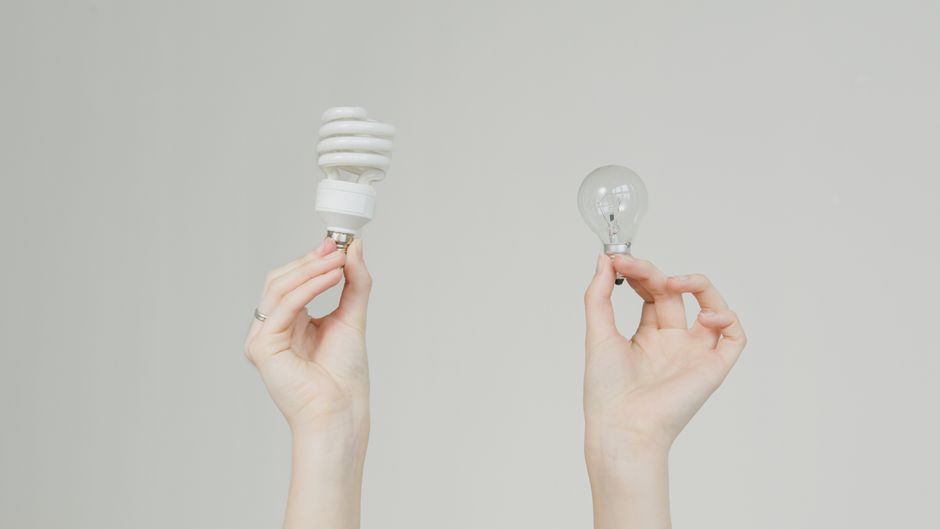
We often overlook the humble hallway when thinking about home efficiency. We focus on the refrigerator or the HVAC system, but the “transit zones” of our homes are where energy waste quietly accumulates. When we choose energy efficient hallway fixtures, we aren’t just picking a pretty light; we are making a strategic financial decision.
According to the Department of Energy, the average household can save hundreds of dollars annually by simply making the switch to LEDs. But the benefits go beyond just the monthly bill. Traditional incandescent bulbs are essentially small heaters that happen to produce a little bit of light—about 90% of the energy they use is wasted as heat. Modern fixtures flip that script, focusing almost all their energy on illumination.
By upgrading, we also contribute to a massive collective impact. If every household in the U.S. switched their downlights to ENERGY STAR certified models, the energy cost savings would exceed $1 billion each year. That is enough to prevent more than 18 billion pounds of greenhouse gas emissions! You can learn more about these impacts through the official Lighting Choices to Save You Money guide.
The Power of LED Technology
What makes these fixtures so much better? It all comes down to “solid-state lighting.” Unlike old bulbs that use a fragile filament, LEDs use semiconductors to convert electricity directly into light.
This results in:
- Drastic Wattage Reduction: A 10W LED can often produce the same amount of light (lumens) as a 60W or 75W old-school bulb.
- Heat Reduction: Because they stay cool to the touch, they don’t add to your home’s cooling load in the summer.
- Superior Lumen Output: You get brighter, crisper light that makes narrow hallways feel wider and more welcoming.
Financial and Environmental ROI
The “Return on Investment” for energy efficient hallway fixtures is incredibly fast. While an LED fixture might cost slightly more upfront than a cheap plastic legacy fixture, it pays for itself through:
- Lower Utility Bills: Immediate reduction in kWh usage.
- Longevity: With a lifespan of 50,000 hours (about 13 years at 10 hours of use per day), you won’t be buying replacement bulbs for a decade or more.
- Utility Rebates: Many local energy providers offer instant rebates for ENERGY STAR certified products, sometimes covering a significant portion of the cost.
On a global scale, the 3 billion ENERGY STAR bulbs sold since 1997 have saved over one trillion kWh—an amount of energy equivalent to the carbon sequestration of 800 million acres of forest. That’s a lot of trees!
Top Types of Energy Efficient Hallway Fixtures
Designing a hallway isn’t just about sticking one light in the middle of the ceiling. To get the best efficiency and style, we recommend “layering” your light. This involves combining ambient (general) lighting with task or accent lighting to create depth. For more on how these designs are evolving, check out How flush mount hallway lighting Shapes the Future.
Recessed Downlights: The Gold Standard for Energy Efficient Hallway Fixtures
Recessed downlights are the most popular choice for modern hallways because they provide a clean, “quiet” ceiling. ENERGY STAR certified downlights are particularly impressive, using 90% less energy than traditional models.
If you already have old recessed “cans” in your ceiling, you don’t have to rip them out. Retrofit kits allow you to simply screw an LED module into the existing socket and snap the new trim into place. This instantly upgrades the look and efficiency of the space. High-performance models can even reduce the number of fixtures needed; for example, some advanced reflectors allow 9 fixtures to do the work that previously required 26!
Flush Mounts and Semi-Flush Solutions
For homes with lower ceilings (8 feet or less), flush mounts are the way to go. They sit tight against the ceiling, providing broad, even illumination without the risk of someone bumping their head.
Modern LED flush mounts come in various styles—from minimalist “disks” that look like recessed lights to decorative farmhouse or industrial designs. Because the LEDs are often integrated into the fixture, the entire unit acts as a heat sink, further extending the life of the light.
Wall Sconces as Energy Efficient Hallway Fixtures
Sconces are the “secret sauce” of hallway design. They provide eye-level light that is much more flattering than overhead glare.
- ADA Compliance: In narrow hallways, it is important to choose “ADA compliant” sconces. These are designed to extend less than 4 inches (and often less than 3 inches) from the wall so they don’t obstruct the path.
- Architectural Grade: High-quality LED sconces often feature “up/down” lighting, which casts light toward the ceiling and floor simultaneously, making the hallway feel taller and more dramatic.
Technical Specifications for Optimal Performance
Choosing the right energy efficient hallway fixtures requires looking at more than just the style. You need to understand the “stats” on the box.
| Kelvin Rating | Light Appearance | Best Use Case |
|---|---|---|
| 2700K – 3000K | Warm White | Residential foyers, cozy vibes, traditional decor |
| 3500K – 4100K | Neutral/Cool White | Modern hallways, offices, high-traffic corridors |
| 5000K – 6500K | Daylight | Utility areas, laundry halls, high-security zones |
CRI (Color Rendering Index) is another vital spec. Look for a CRI of 90 or higher. This ensures that the colors of your walls, art, and even your own skin look natural and vibrant rather than “washed out” or grey.
Insulation and Airflow Ratings
If your hallway is on the top floor below an attic, you must pay attention to two specific ratings:
- Type IC (Insulation Contact): This means the fixture is safe to be in direct contact with ceiling insulation. Without this rating, you risk a fire hazard if insulation is piled on top of the light.
- Type AT (Airtight): These fixtures prevent conditioned air from escaping into your attic. An “air-leaky” light fixture is like leaving a small window open all year round.
Sizing and Placement Factors
To avoid the “runway effect” (a long line of bright dots), we follow these rules of thumb:
- Ceiling Height: For 8-foot ceilings, space recessed lights about 4 feet apart. For higher ceilings, you can spread them out further.
- Hallway Width: In narrow halls, consider directing light toward the walls. This “wall washing” technique makes the space feel wider.
- Sconce Height: Install wall sconces at roughly eye level (around 60 to 66 inches from the floor) to minimize shadows on faces.
Advanced Controls for Maximum Efficiency
The most efficient light is the one that’s turned off when nobody is there. Adding smart controls to your energy efficient hallway fixtures can push your savings even further. For a look at how versatile these modern systems can be, see Yes, you can HALV it all.
Smart Home Integration and Timers
Modern hallways benefit immensely from:
- Occupancy/Vacancy Sensors: These use passive infrared or microwave technology to detect movement. They turn the lights on when you enter and off after a set period of inactivity.
- Daylight Sensors: If your foyer has windows or a skylight, these sensors will prevent the electric lights from turning on if there is already enough natural light.
- Remote Scheduling: Use your phone to ensure hallway lights are dimmed late at night or turned on for security when you aren’t home.
Dimmability and Compatibility
Not all LEDs play nice with old dimmers. To avoid flickering or “buzzing,” always check the compatibility list provided by the manufacturer.
- TRIAC/ELV Dimming: Most residential LED fixtures use these standard dimming types.
- 0-10V Dimming: Often found in high-end or commercial-grade fixtures, this allows for incredibly smooth dimming all the way down to 1% brightness without any flickering.
Frequently Asked Questions about Hallway Lighting
What color temperature is best for a residential hallway?
For most homes, a warm white (2700K to 3000K) is the best choice. It mimics the cozy glow of traditional bulbs and makes the transition between rooms feel seamless. If you have a very modern home with lots of white and grey, a neutral 3500K or 4000K can look very crisp and clean.
Can I install recessed lights in a ceiling with insulation?
Only if the fixture is Type IC rated. If it isn’t, you must maintain a 3-inch gap between the fixture and the insulation. We always recommend choosing IC-rated and Airtight (AT) models for hallways under attics to maximize safety and energy efficiency.
How many fixtures do I need for a long corridor?
A good rule of thumb is to place one overhead fixture every 4 to 6 feet. If you are using wall sconces, space them about 6 to 8 feet apart and stagger them on opposite walls to avoid a “tunnel” look.
Conclusion
At Refugio do Jardim, we believe that sustainable living starts with the small, everyday choices we make within our four walls. Upgrading to energy efficient hallway fixtures is more than just a home improvement project—it’s a commitment to a greener, more cost-effective lifestyle.
By choosing ENERGY STAR certified downlights, high-CRI wall sconces, and smart sensors, we can create a home that is as beautiful as it is responsible. Remember to keep your fixtures clean—dust can reduce light output by up to 10%!—and regularly check your smart settings to ensure you aren’t wasting a single watt.
Ready to take the next step in your eco-friendly journey? Explore our other guides for More info about eco-friendly home solutions and let’s build a brighter, cleaner future together.
