
The Ultimate Guide to Your New Eco Commute Electric Scooter
Is an Eco Commute Electric Scooter Right for You?
An eco commute electric scooter is one of the fastest, most affordable ways to cut your carbon footprint without overhauling your daily routine. If you’re short on time, here’s what you need to know right now:
Best eco commute electric scooter types at a glance:
| Scooter Category | Range | Top Speed | Best For |
|---|---|---|---|
| Premium Commuter | 43 miles | 32 mph | Serious daily commuters |
| Long-Range Urban | 62 miles | 32 mph | Long-range urban trips |
| Portable City | 30+ miles | 20 mph | City riding and portability |
| High Performance | 31 miles | 40 mph | Performance commuters |
| Lightweight | 20 miles | 19 mph | Lightweight city use |
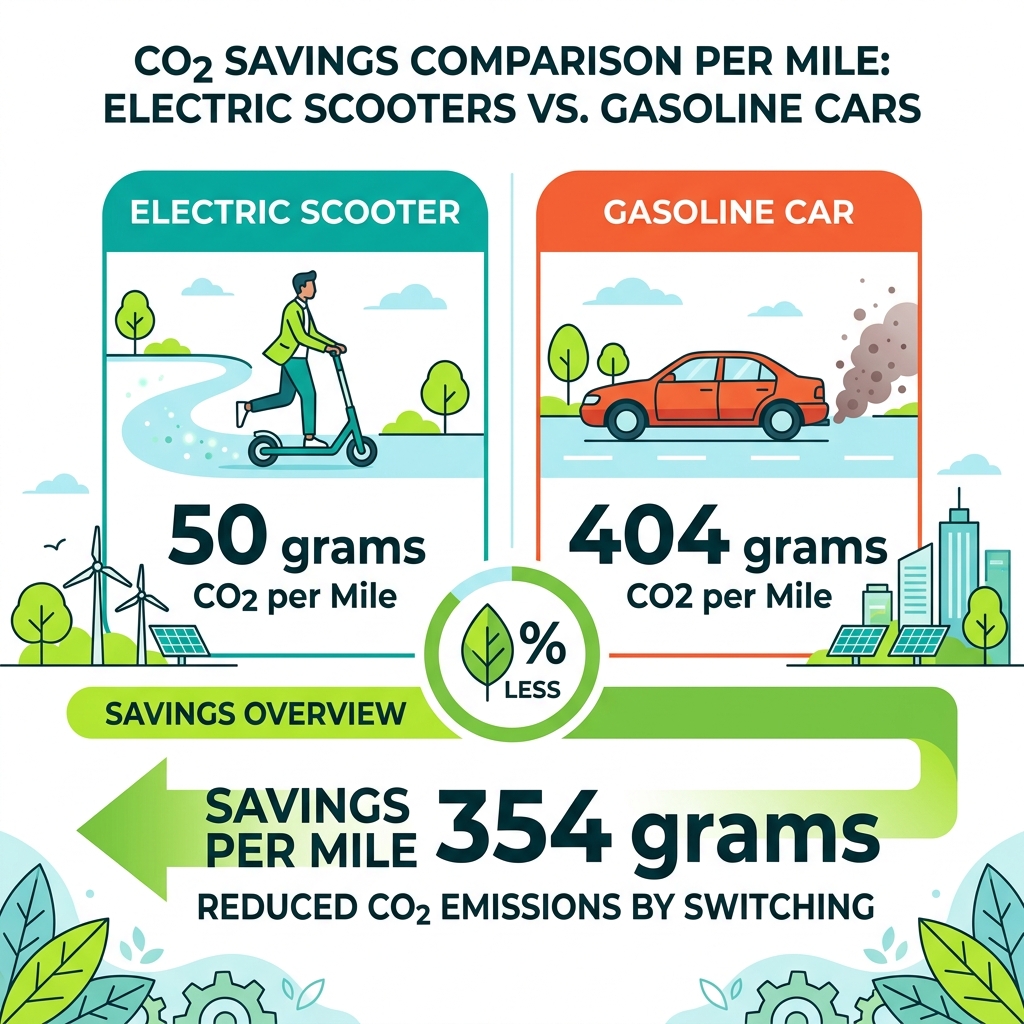
Transportation makes up nearly 25% of global CO₂ emissions. The average gas car pumps out 404 grams of CO₂ per mile. An electric scooter? As low as 50 grams per mile.
That’s a massive difference — and it costs almost nothing to run. A full charge runs between $0.10 and $0.50, taking you 15 to 40 miles. Compare that to spending $1,500 to $3,000 a year on gas.
For busy city dwellers, this isn’t a sacrifice. It’s a smarter commute.
Why an eco commute electric scooter is the Future of Urban Travel
The shift toward sustainable transport isn’t just a trend; it’s a necessity for our growing cities. When we talk about an eco commute electric scooter, we aren’t just talking about a fun gadget. We’re talking about a tool that solves the “last mile” problem and slashes personal environmental impact.
Slashing Your Carbon Footprint
Switching from a traditional gasoline-powered scooter or car to an electric model can reduce your carbon footprint by up to 90% per ride. While a car emits hundreds of grams of CO2 per mile, an e-scooter produces between 50 and 200 grams, depending on how the electricity is generated. In many urban areas, this makes the e-scooter one of the greenest ways to move, second only to walking or traditional cycling.
Financial Freedom on Two Wheels
Let’s look at the numbers. The cost of “fueling” an electric scooter is staggeringly low. A full charge typically costs less than $0.50, meaning you could spend as little as $20 to $50 per year on electricity for your daily commute. Compare that to the $1,500 to $3,000 the average driver spends on gasoline annually.
| Expense Category | Gas Car (Annual) | Electric Scooter (Annual) |
|---|---|---|
| Fuel / Charging | $1,500 – $3,000 | $20 – $50 |
| Maintenance | $1,200 – $1,500 | $50 – $100 |
| Parking | $500 – $2,000+ | $0 |
| Total Estimated | $3,200 – $6,500+ | $70 – $150 |

Beyond the Wallet: Urban Benefits
Beyond the savings, an eco commute electric scooter tackles traffic congestion. While cars sit idling in bumper-to-bumper traffic, a scooter allows you to glide through bike lanes and reach your destination faster. Furthermore, they are whisper-quiet. Noise pollution is a major stressor in modern cities; by choosing electric, we contribute to a more peaceful urban environment.
Key Features to Look for in Your Commuter Ride
Choosing the right scooter is about balancing your specific needs with the machine’s capabilities. Not all scooters are built for the rigors of a daily 10-mile trek.
Portability and Weight
If your commute involves a train or bus, portability is non-negotiable. Many high-quality e-scooters feature a foldable design that allows them to tuck under a desk or a subway seat. Look for models around 25 to 35 lbs if you need to carry them up stairs, though high-performance models may weigh 50 lbs or more.
Motor Power and Suspension
For a reliable eco commute electric scooter, we recommend a motor with at least 250W of continuous power. If you live in a hilly area, you’ll want to look toward 500W or even dual-motor systems to ensure you don’t slow to a crawl on inclines. Suspension systems—whether hydraulic or spring-based—are also vital. They turn a bone-jarring ride over potholes into a smooth glide, protecting both the rider and the scooter’s internal electronics.
Essential Battery Tech for an eco commute electric scooter
The battery is the heart of your ride. Most modern scooters use Lithium-ion (Li-ion) technology, specifically 21700 cells, which offer high energy density and longevity.
For those seeking the absolute pinnacle of durability, some models utilize LiFePO4 (Lithium Iron Phosphate) batteries. These are known for having a significantly longer charge cycle lifetime and better thermal stability. Regardless of the chemistry, a good Battery Management System (BMS) is essential to prevent overcharging and overheating, ensuring your scooter remains a safe, reliable partner for years.
Performance and Range for the Daily eco commute electric scooter
Real-world range often differs from manufacturer estimates. Factors like rider weight, wind, and “stop-and-go” traffic can drain a battery faster. We suggest choosing a scooter with a rated range at least 30% higher than your actual round-trip distance.
A scooter built for commuting should also offer weather resistance. Look for an IPX6 rating, which protects the scooter against strong jets of water—essential if you get caught in a sudden downpour.
Top Options for Sustainable Commuting
The market has expanded to include specialized designs for every type of rider. Whether you need to carry groceries or zip through a 20-mile round trip, there is an eco commute electric scooter designed for the task.
Versatile and Utility-Focused Designs
For those who prefer a more relaxed ride, a seated electric scooter with a basket offers a comfortable experience with cargo capacity. This is perfect for running errands or making quick trips to the store where you can use the basket as a cart.
Similarly, cargo-focused models often feature a convertible rack system. It can be outfitted with a passenger seat or a large basket, making it a true car replacement for local errands. These models often feature larger, pneumatic tires (14 inches or more) which provide superior stability and comfort on uneven roads.
Regenerative Braking: Efficiency in Motion
Many top-tier commuter scooters now feature regenerative braking. This technology (often called RBS or E.R.B.) captures the kinetic energy usually lost during braking and feeds it back into the battery. Not only does this extend your range by up to 10%, but it also reduces mechanical wear on your brake pads, leading to lower maintenance costs over time.
Long-Range and High-Performance Options
If your commute is longer or involves high-speed roads, you need a heavy hitter. Advanced commuter models offer dual motors and self-healing tires that automatically seal small thorns or glass shards.
For the ultimate distance, long-range electric scooters provide a massive 62-mile range. This allows many commuters to go a full week on a single charge, making it a “little tank” of a scooter that can handle almost any urban challenge.
Frequently Asked Questions about Eco-Friendly Scooters
How much money can I save by switching to an electric scooter?
The savings are substantial and immediate. While a high-quality eco commute electric scooter might cost between $600 and $1,500 upfront, it pays for itself quickly. You eliminate gas costs ($1,500+), reduce maintenance from $1,200 (car average) to about $50–$100 (scooter tires and brakes), and completely remove parking fees, which can cost hundreds a month in major cities. Most riders find the scooter pays for itself within 6 to 12 months.
Are electric scooters legal to ride on city sidewalks and bike lanes?
Laws vary significantly by city and state. Generally, most areas allow e-scooters in bike lanes but prohibit them on sidewalks to protect pedestrians. Many regions cap speeds at 15–20 mph for street use. Always check your local EcoCommuters or municipal transport website for specific regulations. We also strongly recommend looking for UL2272 certification, which ensures the electrical and battery systems meet rigorous safety standards.
How do I maintain my scooter for long-term reliability?
Maintenance is much simpler than a car, but it shouldn’t be ignored.
- Battery Care: Try to keep your battery between 20% and 80% charge for daily use. Avoid leaving it at 0% for long periods.
- Tire Pressure: If you have pneumatic tires, check the pressure weekly. Proper inflation prevents “pinch flats” and improves range.
- Brake Checks: Test your brakes before every ride. Most use simple disc or drum brakes that can be adjusted with a standard wrench.
- Cleaning: Wipe your scooter down with a damp cloth. Never use a high-pressure hose, even if the scooter is water-resistant.
Conclusion
Embracing the eco commute electric scooter lifestyle is about more than just getting from A to B. It’s about choosing a path that is cleaner, quieter, and significantly more affordable. Whether you are gliding past traffic on a high-performance model or carrying groceries on a seated scooter, you are part of a growing movement toward sustainable urban mobility.
At Refugio do Jardim, we believe that the future of our cities depends on these smart, green choices. By reducing our reliance on heavy, gas-guzzling vehicles for short trips, we can reclaim our time and our environment. The benefits for urban commuters are clear: it’s fun, it’s frugal, and it’s forward-thinking.
Start your eco-friendly commute journey today and see how much your daily ride can change for the better.
