
Wood You Believe These Sustainable Furniture Brands Are This Chic
The Best Eco Friendly Furniture Brands Worth Knowing About
Eco friendly furniture brands are companies that make home furniture using sustainable materials, ethical manufacturing, and low-toxicity finishes — so your home looks great and does less harm.
When exploring sustainable home decor, you will find makers specializing in everything from reclaimed wood and upcycled materials to recycled plastics and non-toxic upholstery. These companies prioritize the health of the planet and your home environment, offering high-quality alternatives to mass-produced pieces.
Most of us spend a lot of time indoors. The furniture around you isn’t just decor — it affects your air quality, your health, and the planet.
Here’s the uncomfortable truth: most conventional furniture is made with particleboard, synthetic foams, and chemical finishes that quietly off-gas harmful compounds into your home for years.
The good news? You don’t have to overhaul your entire lifestyle to make a better choice. Swapping even one piece for something genuinely sustainable is a real, measurable step forward.
This guide cuts through the noise and shows you exactly what to look for in a brand — and why.
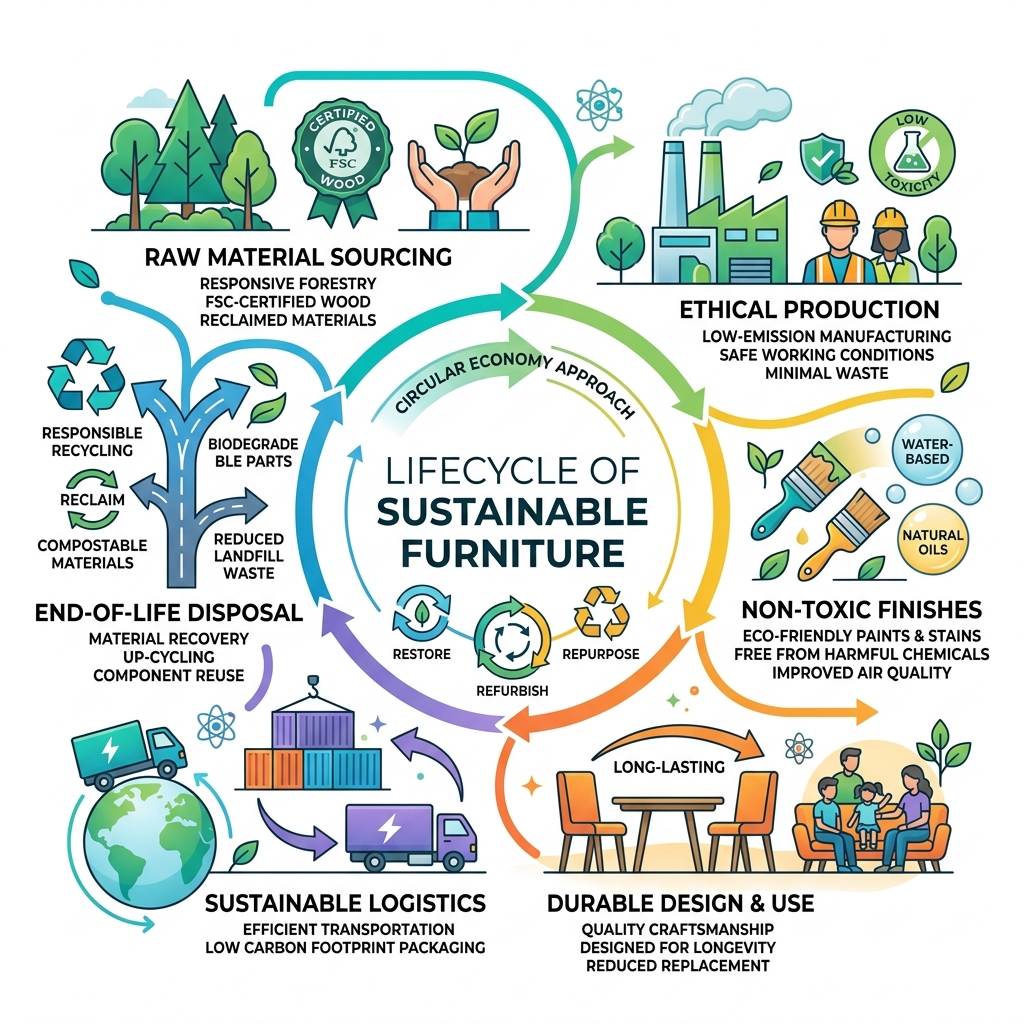
What Makes Furniture Truly Eco-Friendly?
When we talk about eco friendly furniture brands, we are looking at two major pillars: environmental sustainability and human health (non-toxicity). While they often overlap, they aren’t always the same thing.
Sustainable furniture focuses on the planet. It asks: Where did the wood come from? Was it harvested responsibly, or is it contributing to deforestation? Brands committed to sustainability often use FSC-certified wood, reclaimed materials, or rapidly renewable resources like bamboo and cork. They also look at their carbon footprint—for example, some premium makers source North American hardwoods like cherry and walnut from local forests to reduce transportation emissions.
Non-toxic furniture, on the other hand, focuses on you. It ensures that the piece won’t release Volatile Organic Compounds (VOCs) into your living room. This means avoiding MDF (medium-density fiberboard) which often contains formaldehyde glues, and skipping chemical flame retardants in sofa cushions.
Core Principles of Eco-Design
To be truly “green,” a piece of furniture should follow these core principles:
- Responsible Sourcing: Using materials like reclaimed wood, which prevents new trees from being cut down, or upcycled wood.
- Low-Impact Production: Manufacturing processes that minimize waste and energy use.
- Longevity: “Fast furniture” is the enemy of the planet. Eco-friendly pieces are built to last decades, not seasons.
- End-of-Life Planning: Can the piece be recycled or safely biodegraded when you’re done with it?
For more on how to curate your space, check out our guide on Sustainable Living: Top Picks for Eco-Friendly Furniture.
Sustainable vs. Non-Toxic Material Properties
| Material Type | Sustainability Factor | Health Factor | Common Use |
|---|---|---|---|
| Solid Wood | High (if FSC-certified) | Excellent (no glues) | Tables, bed frames |
| Reclaimed Wood | Highest (recycled) | Good (check for old lead paint) | Benches, consoles |
| Natural Latex | Renewable (sap-based) | High (no off-gassing) | Sofa cushions, mattresses |
| Recycled Plastic | High (diverts waste) | High (inert) | Outdoor furniture |
| Bamboo | Very High (fast growth) | Moderate (check adhesives) | Flooring, shelving |
The Best Eco Friendly Furniture Brands for a Stylish Home
We’ve scoured the market to find the types of makers that prove you don’t have to sacrifice style for ethics. These companies are leading the way in modularity, material innovation, and transparency.
The Sustainable Sofa: Recycled Materials
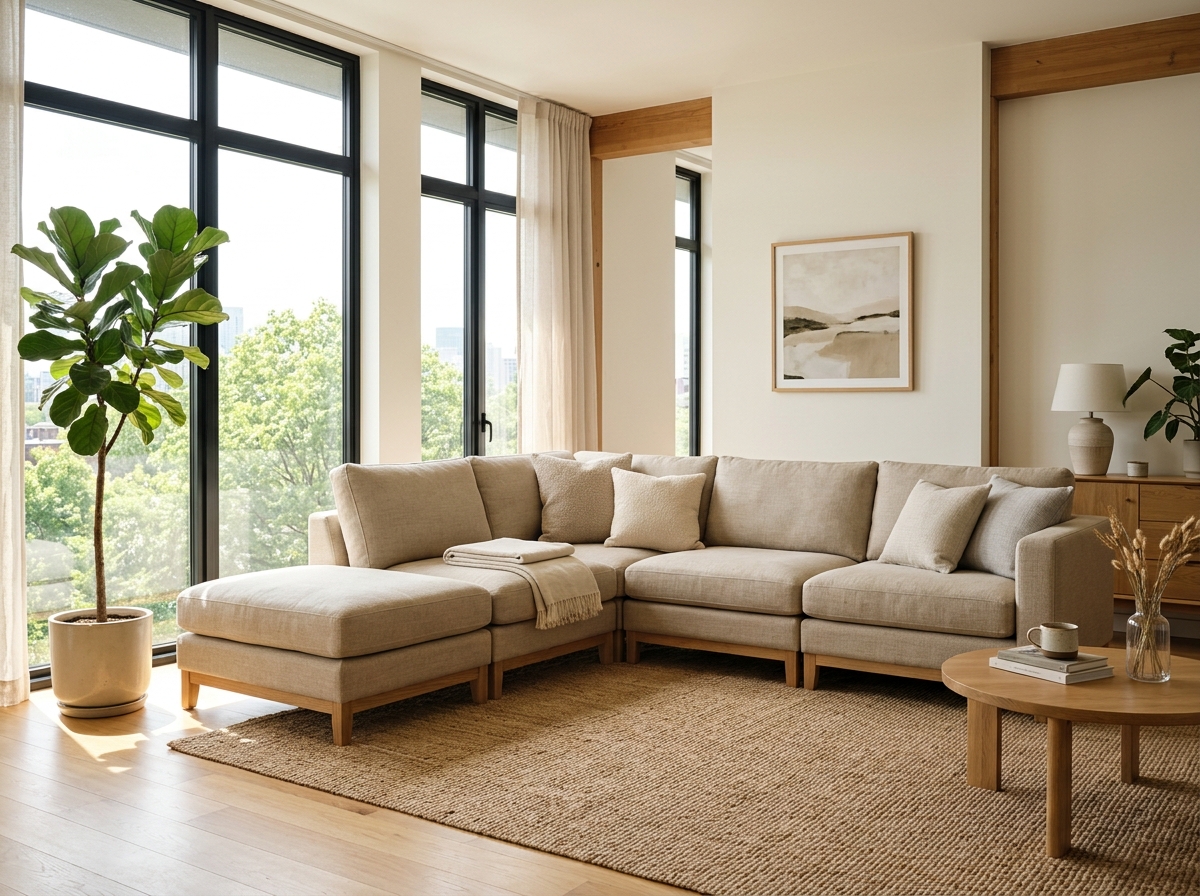
If you want a sofa that looks like it belongs in a high-end magazine but is actually made of recycled water bottles, look for makers using recycled velvet and upcycled polyester. Many of these pieces feature washable cushion covers—perfect for those of us with pets or a penchant for eating on the couch.
Modular and Clever: Furniture That Grows With You
Modular furniture has revolutionized the “sofa-in-a-box” concept. By designing furniture that is modular, these brands ensure your furniture can grow with you. If you move from a studio to a house, you can simply add a section. This modularity extends the life of the product significantly, keeping it out of the landfill. Plus, tool-free assembly makes moving day a lot less stressful.
Solid Wood Craftsmanship
For those who appreciate the raw beauty of timber, look for makers of 100% solid wood furniture. The best use responsibly farmed and naturally fallen trees, processing everything in-house from milling to kiln drying. This type of craftsmanship highlights the natural variation of the wood grain, ensuring no two pieces are exactly alike.
The Gold Standard for Healthy Homes
Some pioneers in non-toxic upholstery offer “Natural Latex + Wool” collections that replace synthetic foams with plant-based alternatives. These sofas are often built using old-school techniques, meaning they are as resilient as they are healthy.
Curated Eco-Luxury
If you are looking for high-end sustainable decor, there are curated selections of furniture made from reclaimed wood and natural materials. It’s a great way to find statement pieces that align with a conscious lifestyle.
Durable Outdoor Solutions
When it comes to the backyard, your furniture needs to be tough. Leading eco-friendly outdoor brands transform landfill-bound and ocean-bound plastic into durable “lumber.”
High-density polyethylene (HDPE) furniture is often backed by extensive warranties. Thanks to advanced weather-resistant technology, these pieces won’t splinter, rot, or crack, even if they sit out in the snow or salt air all year. It’s clear that durability and sustainability can go hand-in-hand.
Artisan-Crafted Furniture
There is something special about knowing exactly who made your dining table. Many specialists focus on handcrafted furniture made from North American hardwoods. These companies often participate in environmental initiatives, like donating a portion of every sale to environmental non-profits.
Similarly, some brands focus on “Organic Modern” styles—think untreated woods, natural fabrics, and stone. They make it easy to skip the chemicals and embrace a home that feels like a sanctuary.
Shopping Guide: Certifications and Materials to Look For
Shopping for eco friendly furniture brands can feel like learning a new language. To avoid “greenwashing” (when a company claims to be green but isn’t), look for these third-party certifications:
- FSC (Forest Stewardship Council): This is the gold standard for wood. It ensures the timber was harvested from forests that are managed to preserve biological diversity.
- GOTS (Global Organic Textile Standard): If you’re buying a mattress or a fabric sofa, GOTS requires at least 95% certified organic raw materials and strict social and environmental criteria.
- GREENGUARD Gold: This certification means the product has been tested for over 10,000 chemicals and has incredibly low VOC emissions.
- CertiPUR-US: This applies to the foam in your cushions. It ensures the foam is made without ozone depleters, mercury, lead, or prohibited phthalates.
If you want to verify what these certifications mean, you can also review the official Forest Stewardship Council website for more context on responsible forestry standards.
What to avoid? Try to steer clear of MDF and particleboard, which often off-gas formaldehyde. Also, be wary of “reclaimed” wood that doesn’t specify its source; sometimes old industrial wood can contain pesticides or lead paint.
For a deeper dive into what these labels mean, read our Eco-Friendly Products 101 guide.
Why Investing in Sustainable Furniture is Worth It
We get it—sustainable furniture often comes with a higher price tag than the flat-pack stuff from the big-box store. But we like to think of it as “cost per year” rather than “upfront cost.”
A cheap dresser made of particleboard might last three years before the drawers stop sliding. A solid wood dresser from a high-quality sustainable maker will last your entire life—and likely your children’s lives, too.
Beyond durability, there’s the health factor. You can’t put a price on breathing cleaner air in your own bedroom. By choosing non-toxic materials, you are reducing your family’s exposure to endocrine disruptors and carcinogens often found in conventional finishes.
Finally, there’s the ethical weight. Supporting eco friendly furniture brands means you are supporting fair wages, safe working conditions, and the protection of our global forests. It’s furniture with a conscience.
For more inspiration on how to style these pieces, see our article on Furniture with a Conscience: Eco-Friendly Design Ideas.
Frequently Asked Questions about Eco-Friendly Furniture
What is the difference between sustainable and non-toxic furniture?
Sustainable furniture is about the planet (renewable sourcing, low carbon footprint, recycling). Non-toxic furniture is about people (no harmful chemicals, no VOCs, safe for indoor air quality). The best eco friendly furniture brands do both!
Is eco-friendly furniture more expensive than conventional options?
Initially, yes. Sustainable materials and ethical labor cost more than mass-produced synthetic alternatives. However, because these pieces are built to last much longer, they often save you money over time by eliminating the need for frequent replacements.
How do I know if a furniture brand is actually “green” and not greenwashing?
Look for transparency. A truly green brand will list their materials, their manufacturing locations, and their certifications (like FSC or GREENGUARD Gold). If a brand uses vague terms like “natural” without any data to back it up, proceed with caution.
Conclusion
At Refugio do Jardim, we believe that your home should be a reflection of your values. Choosing eco friendly furniture brands isn’t just a design trend; it’s a commitment to a better future for our planet and a healthier environment for your family. Whether you are looking for a modular sofa or a forever-table, every conscious choice makes a difference.
Ready to transform your space? Check out The Green Home: The Best Sustainable Products for an Eco-Friendly Living or explore our full guide to sustainable products to find more ways to live beautifully and responsibly.
